
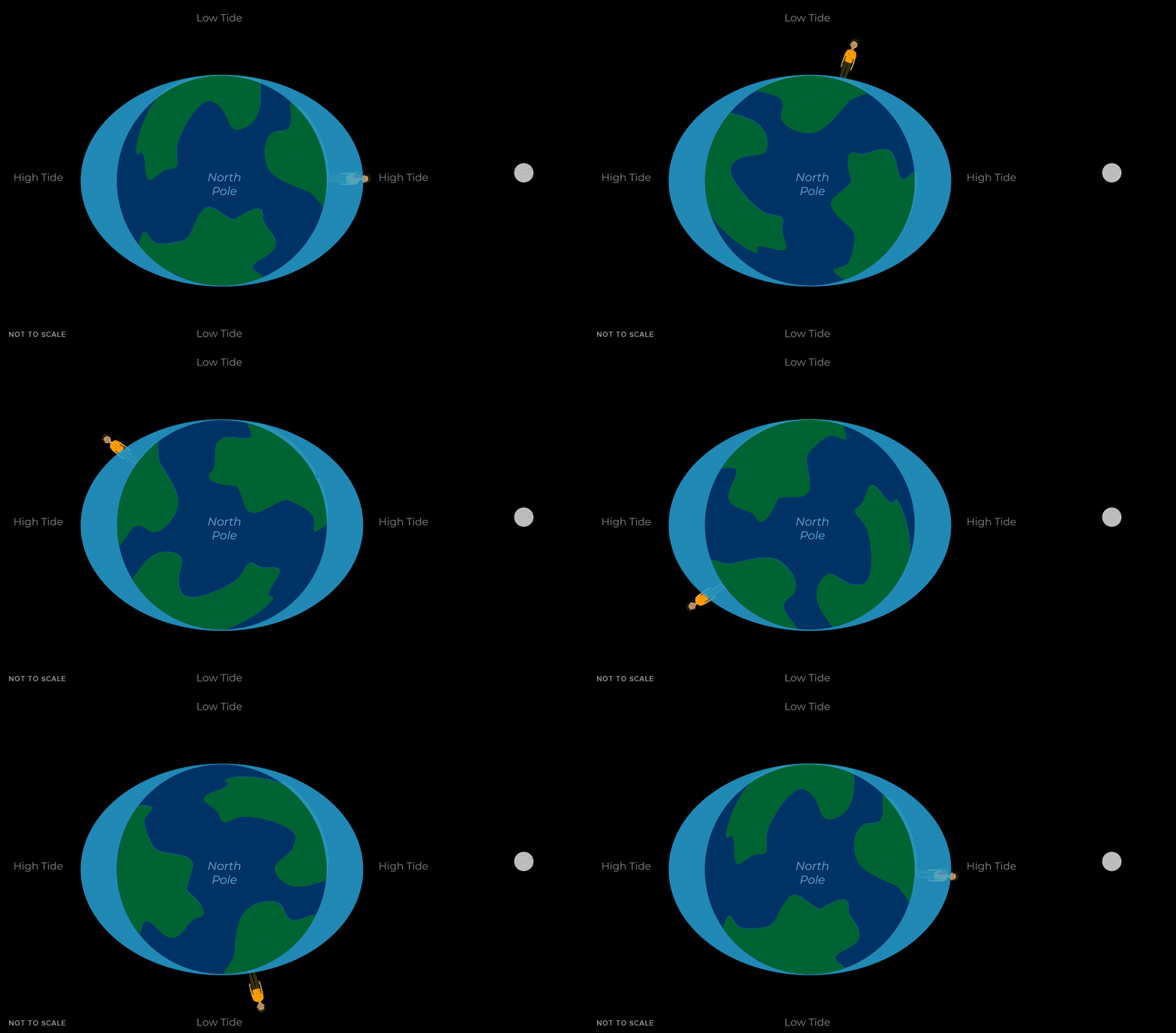
- Tides in the ocean move in an out predictably in response to the gravitational force from the moon.
- TIDAL ENERGY harnesses this predictable motion to generate electricity.
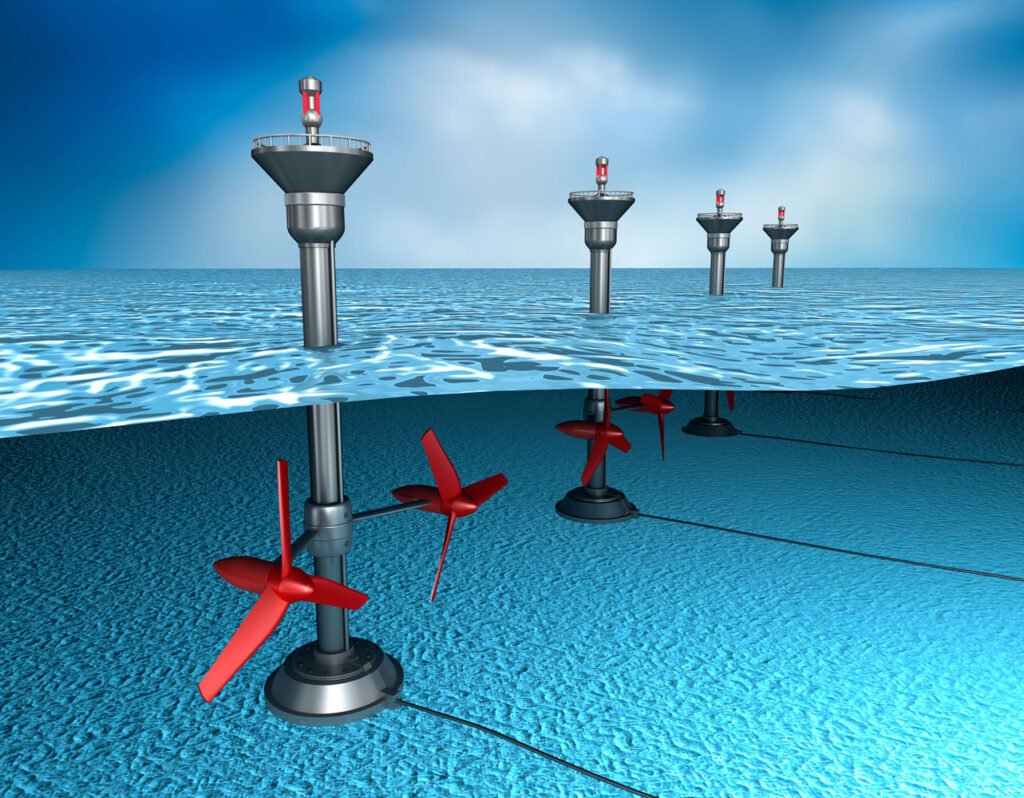
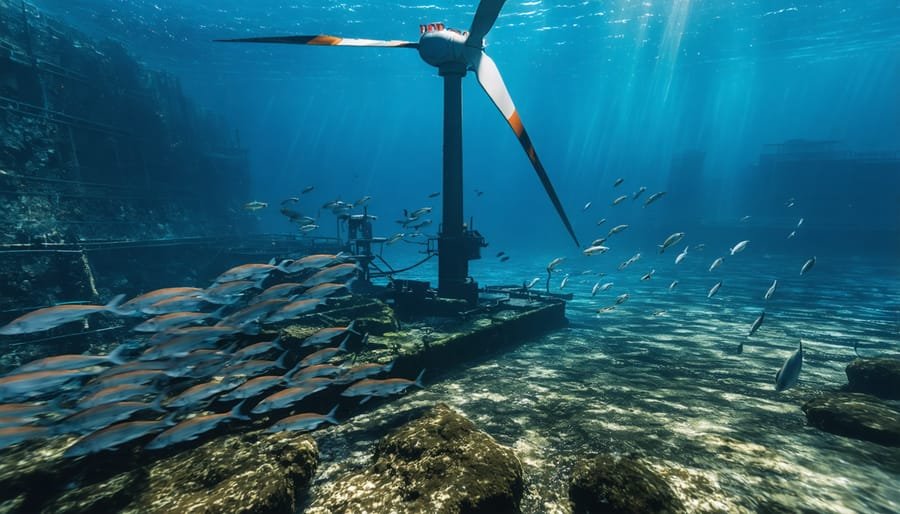
- Poles with turbines are anchored into the ocean floor.
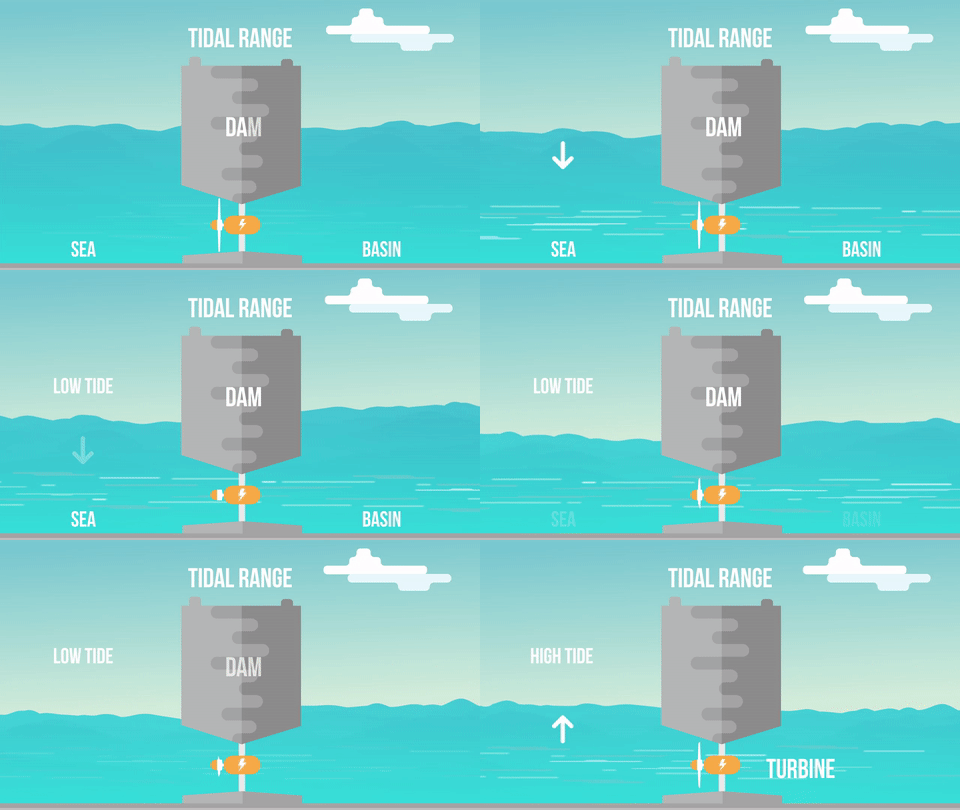
- Upward and downward movement of the water every 6 hours each day spin magnets around copper coils to generate electricity.
- Wires carry electricity to the shoreline.
ENERGY TRANSFER CHAIN: KE -> KE -> EE
- Because the water on Earth is attracted to the moon, the ocean water on Earth is shaped like an oval that we rotate through.
- Tides rise and fall predictably each day and energy can be harnessed from this natural movement of the water.
- Note: Tides are different than waves, which engineers are also studying to harness energy from.
- Because naturally water motion spins turbines, there is no air or water pollution during energy generation.
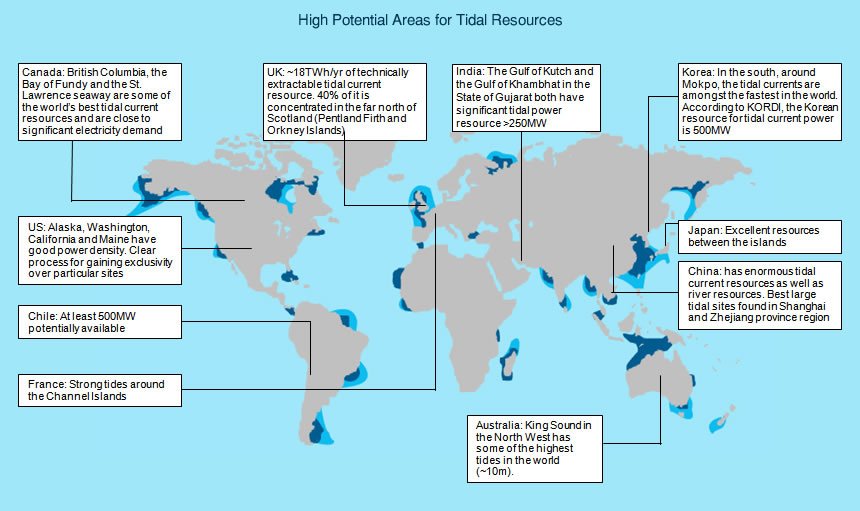
- Unfortunately, not every city is located near a shoreline and not all shorelines have dramatic tidal changes.
- But for those that are, tidal energy can provide a consistent and environmentally stable source of heat and electricity!
- Tidal turbines don’t grow on trees.
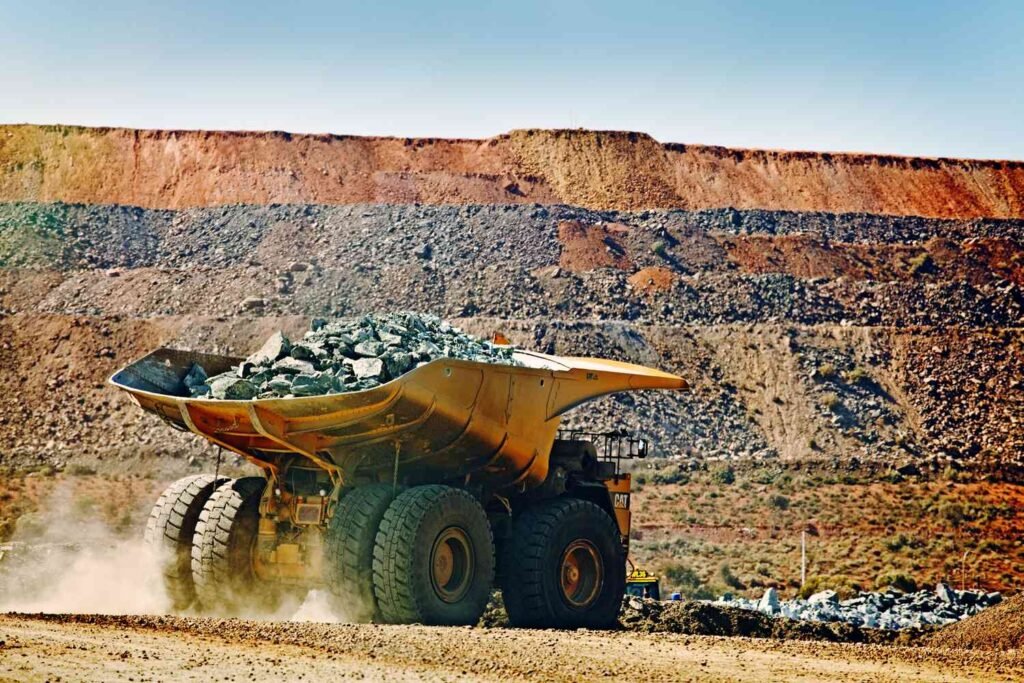
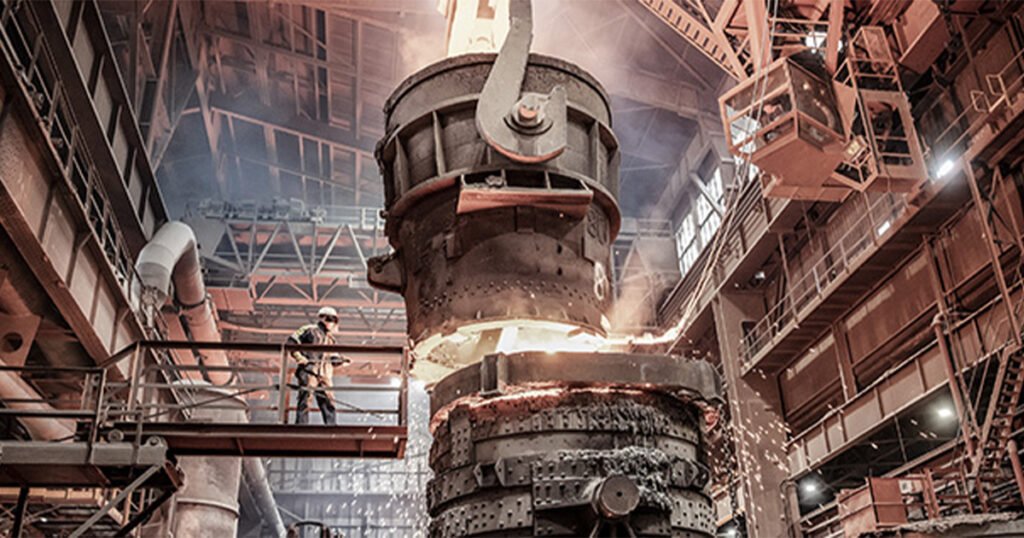
- Concrete for bases and metal for pipes and turbines must be mined, transported and set up by equipment that burn fossil fuels.
- While geothermal is clean at point of use, there is still environmental impact during setup.
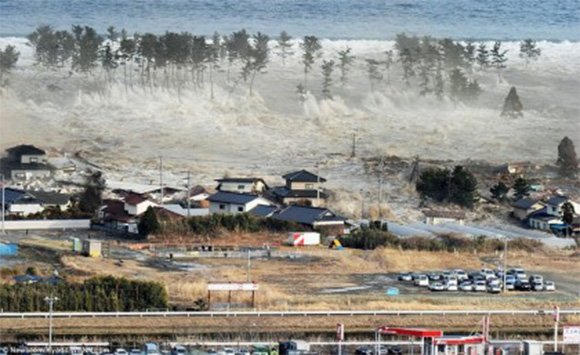
- The ocean is a volatile place with extreme weather like hurricanes and tsunamis.
- In areas prone to geologic and weather hazards, expensive tidal energy equipment could be damaged leading to power outages.
- Oceans are diverse ecosystems full of plants and animals that live in a delicate balance.
- Installation of turbines and wires to carry electricity to people living on land definitely disrupts the species that live there.
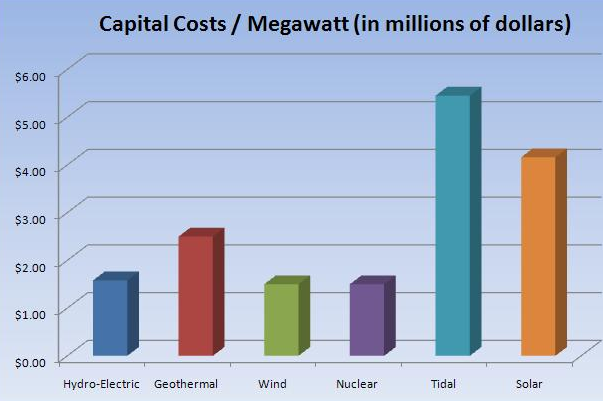
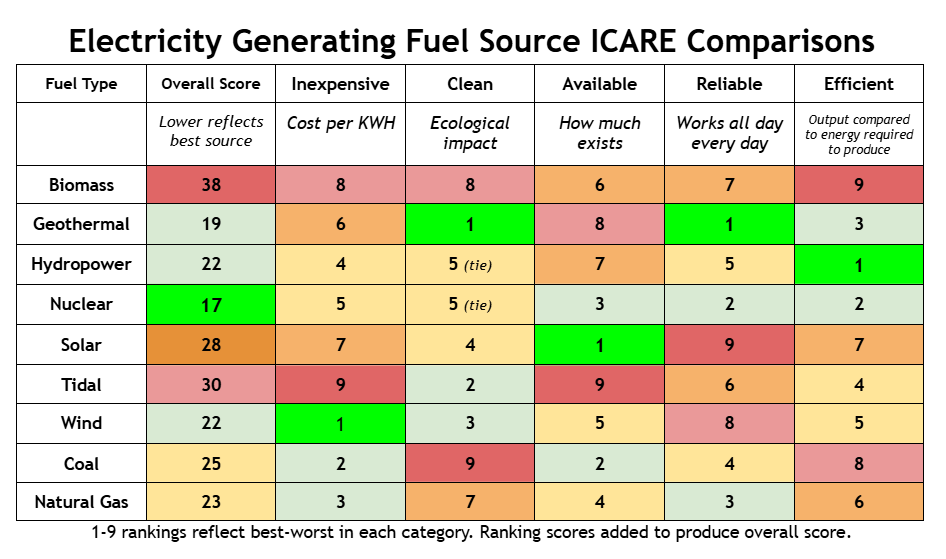
- Tidal is currently the most expensive form of energy with the cost of one turbine running over $10 million.
- Constant maintenance and connection cause high running expense too.
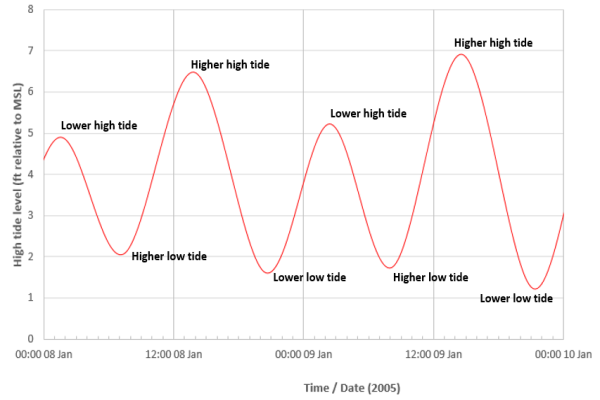
- While tides do go in and out reliably, the turbines don’t generate electricity at high and low tide.
- For about 30 minutes every 6 hours, turbines don’t spin and generate electricity.
- For this reason, tidal cannot be counted on as a sole energy source and must be paired with another system.
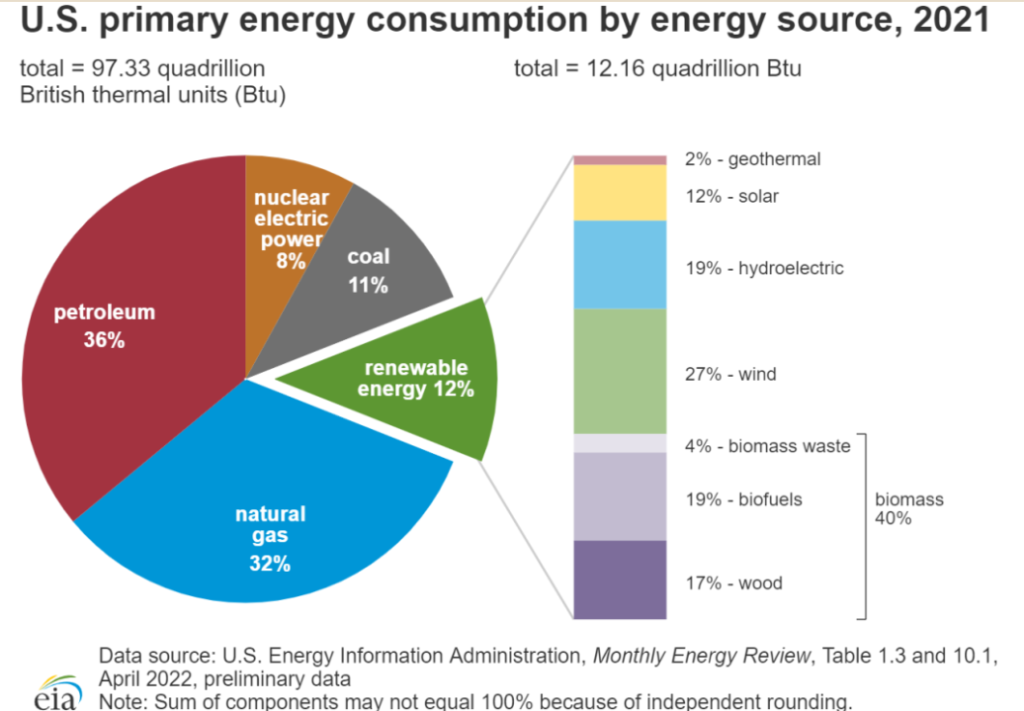
Tidal energy accounts for <1% of all energy consumed in US
South Korea produces the most tidal energy in the world.
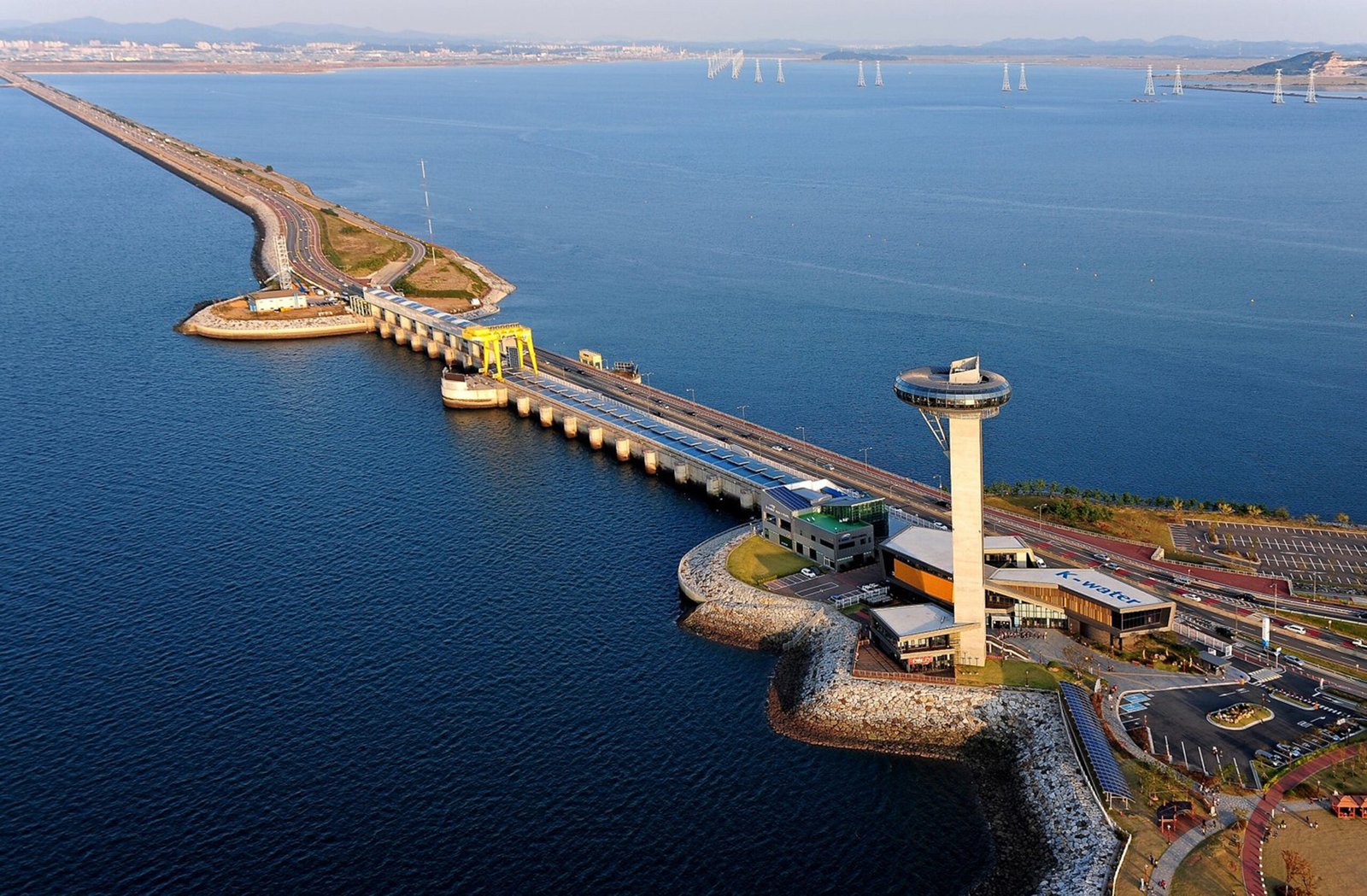
- Although tidal energy plants exist in various countries like France, US and South Korea, no single country has installed enough to be considered a leader or truly reliant on the source.
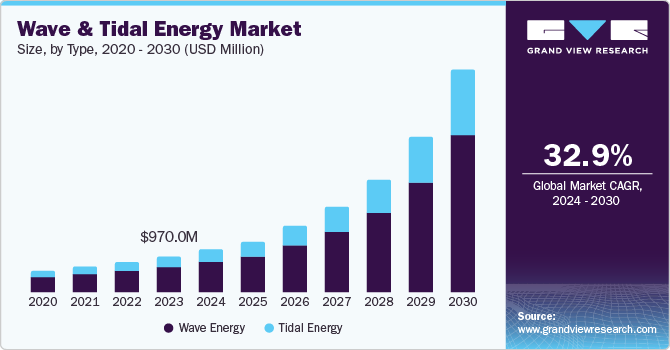
- Exploration into wave and tidal power is projected to grow in upcoming decades.
- If there was one more category in the ICARE for actual use, Tidal would bump below biomass for last place.
- The long list of cons explored above make it less attractive to countries seeking reliable and cheap energy.
Could tidal energy work in your city or country?
What’s next?
I’m lost😱
Why do we even need to make these energy forms…
I need practice 🤔
I think I get it, but would like some more practice!
Let’s move on👍
I’m good on this energy source, let’s learn about the others: