
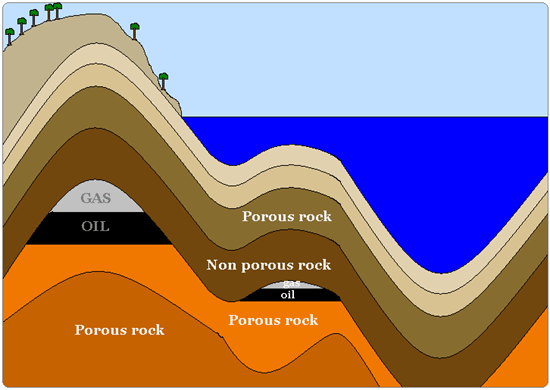
- FOSSIL FUELS are substances that were created from the remains of plants and animals that lived and died millions of years ago.
- These remains were buried under increasing layers of rock and pressure until Carbon and Hydrogen linked up in long chains called HYDROCARBONS.
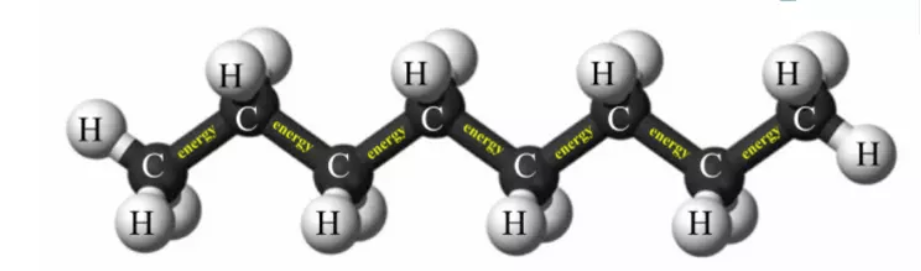
- Fossil Fuel hydrocarbon molecules store a huge amount of Chemical Potential Energy in their long bonds.
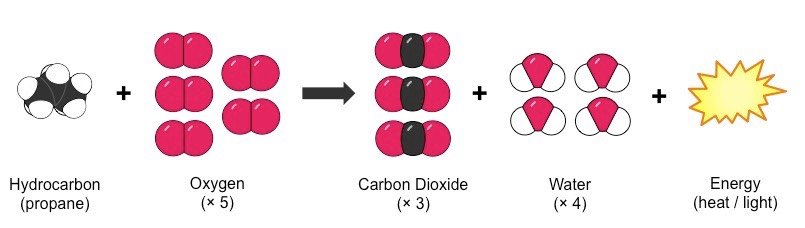
- When we add a spark in an Oxygen rich environment, the molecules rapidly react releasing Heat and Light Energy in an Exothermic Reaction.
While the chart below may look complicated, it shows how much of each fuel type was utilized in transportation (planes, trains, cars), electricity generation, industrial (factories), residential (homes) and commercial (business) applications in 2022. This data takes a while to compile and is always lagging a bit.
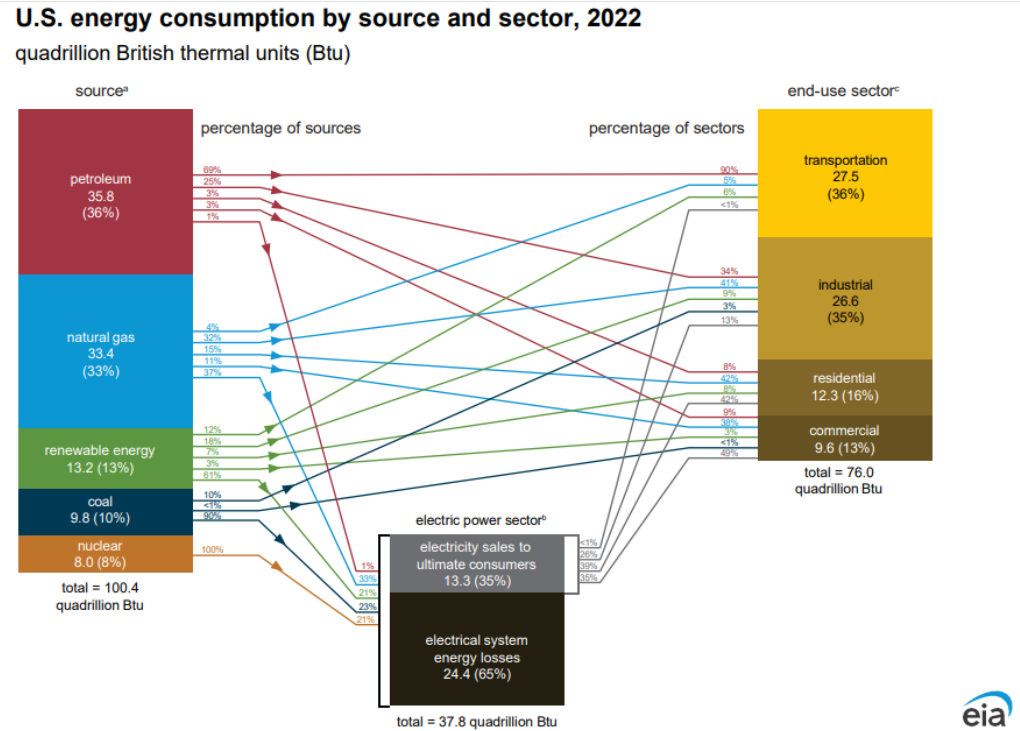
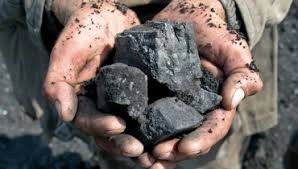
Coal provides 10% of US energy
- Coal is most commonly burned to generate electricity.
- About half this electricity is sent to power people’s homes (residential) and the rest is used to power factories (industrial) and business buildings (commercial).
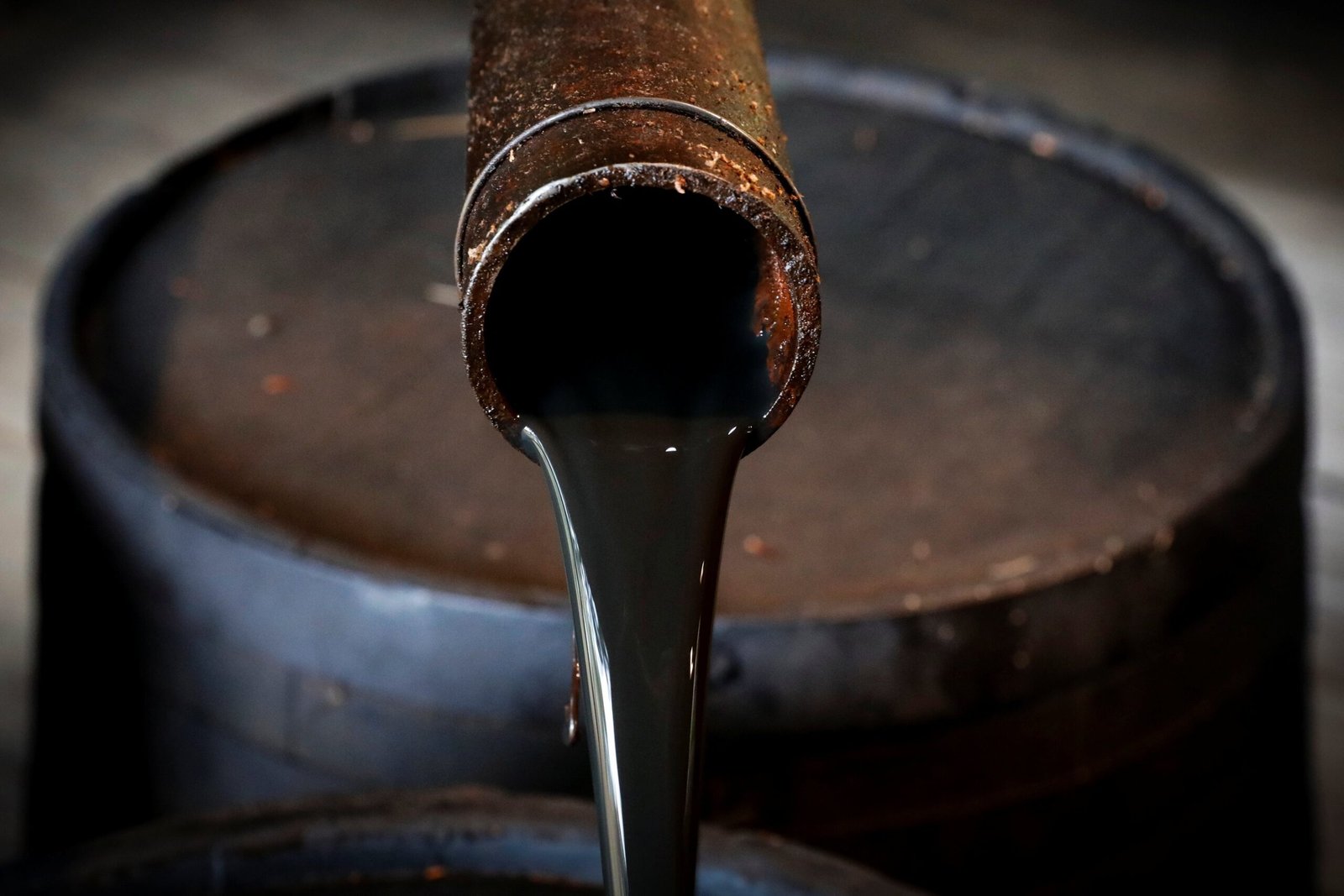
Petroleum provides 36% of US energy
- Petroleum is most commonly used in the form of fuel for engines.
- 90% of petroleum is used to move planes, trains and cars around and the rest is used to power generators at factories, businesses and houses.
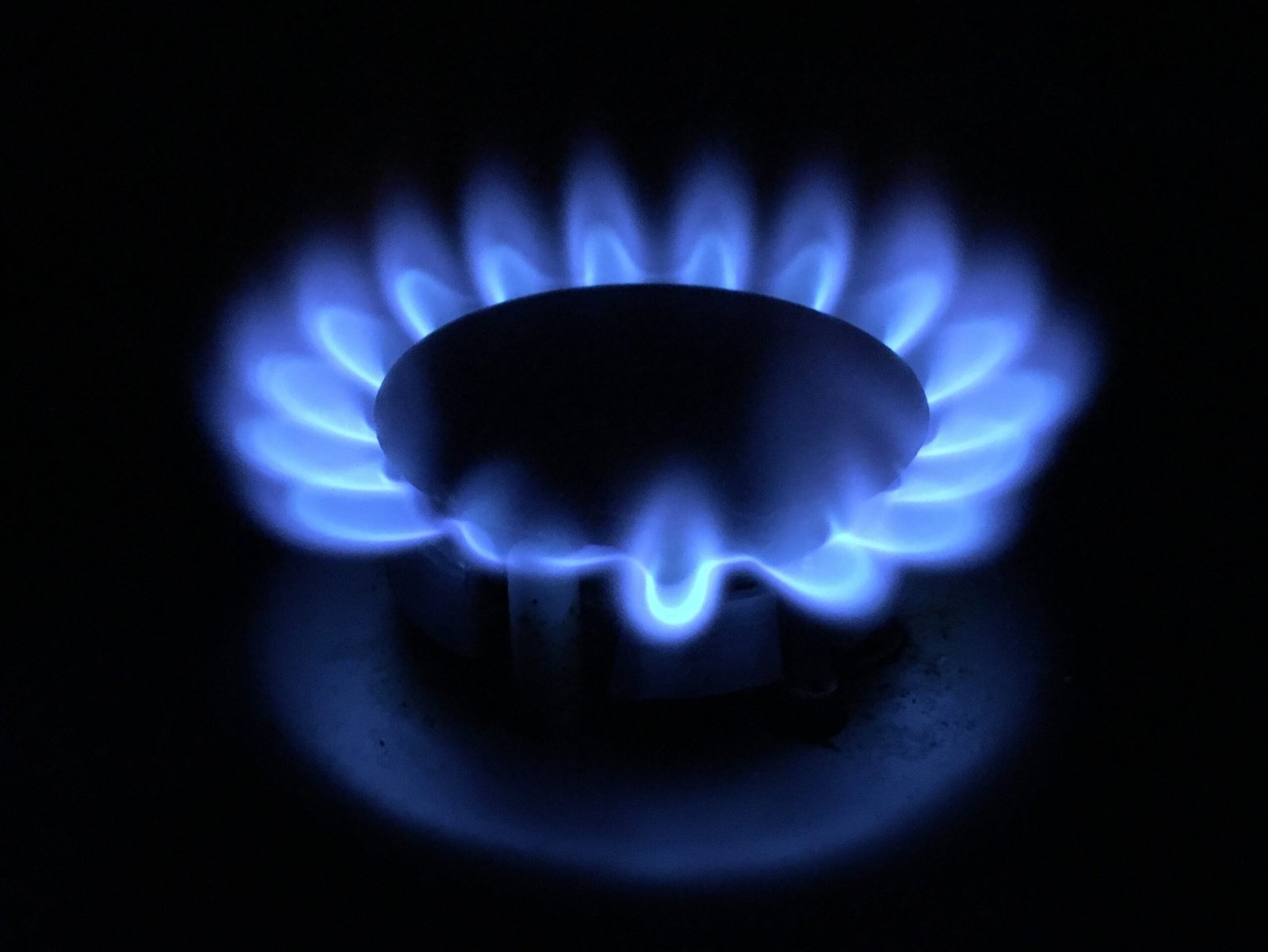
Natural Gas provides 33% of US energy
- Natural Gas is often piped directly to homes and businesses as fuel for water and house heaters.
- Gas can also be used in special engines to run cars and generate electricity at industrial settings.
- Because we burn fossil fuels to release energy, all of them release Carbon Dioxide and other substances that are mixed into them creating air pollution.
- Click on each fuel below to learn about more specific ways each causes pollution.
- Clic
What’s next?
I’m lost😱
Confused by some of the concepts above? Check out other lessons to get caught up
I need practice 🤔
I think I get it, but would like some more practice!
Let’s move on👍
I understand all the fossil fuels, how does their use impact the environment?