
- Lucky for us, on planet Earth the water cycles!
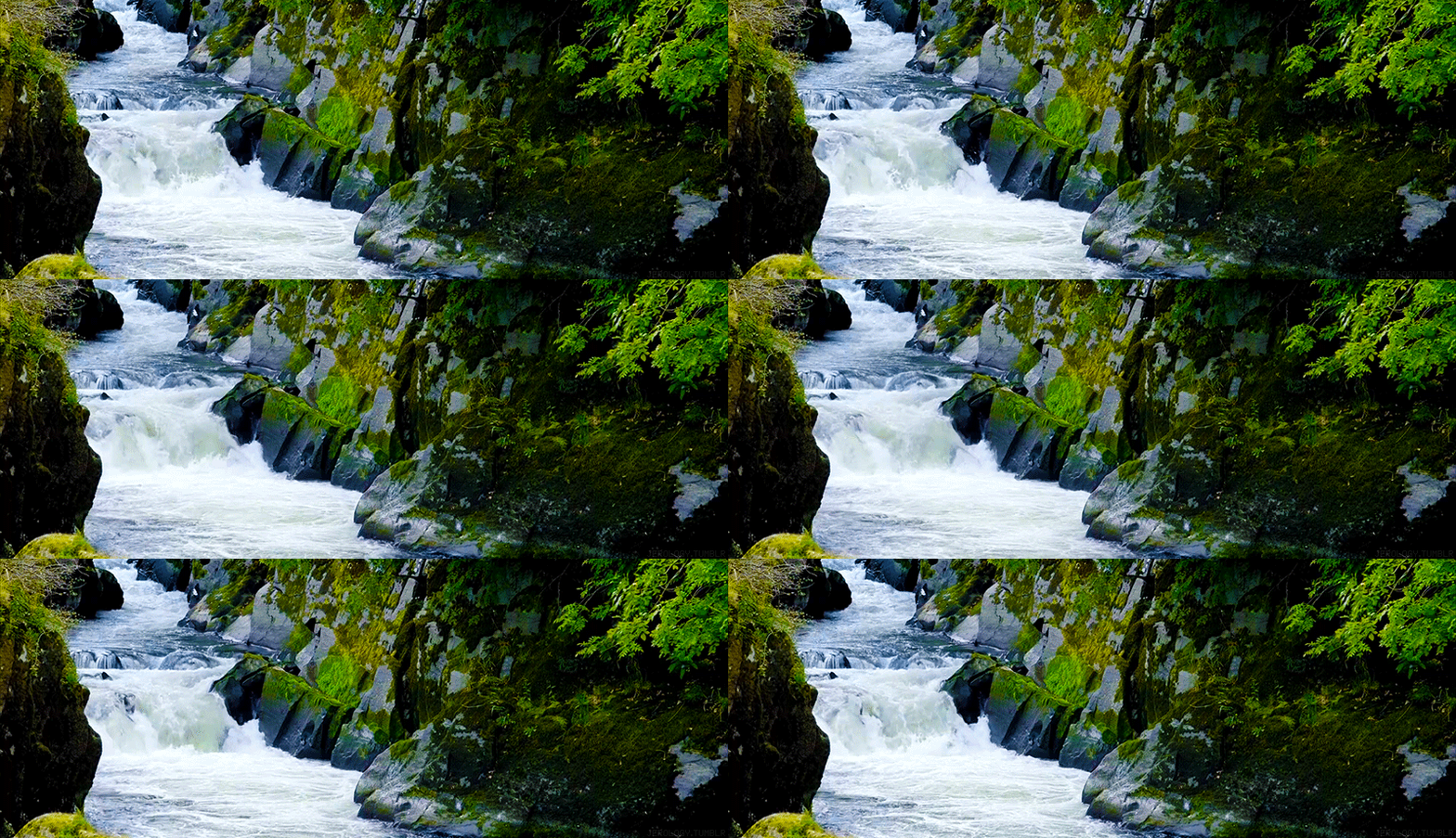
- HYDROELECTRIC ENERGY harnesses the reliable downhill motion of rivers and streams to produce electricity.
- In certain locations, this inner heat is close enough to the surface to heat the ground water (often called hot springs).
- This hot water is turned into steam which spins magnets around a copper coil to generate electricity.
- The cooled water is returned to the ground where it warms again to create more electricity.
ENERGY TRANSFER CHAIN: KE -> KE -> EE
- The stored water in dams provides a consistent energy and water source for people living near the river.
- These lakes provide potential aquatic food resources as well.
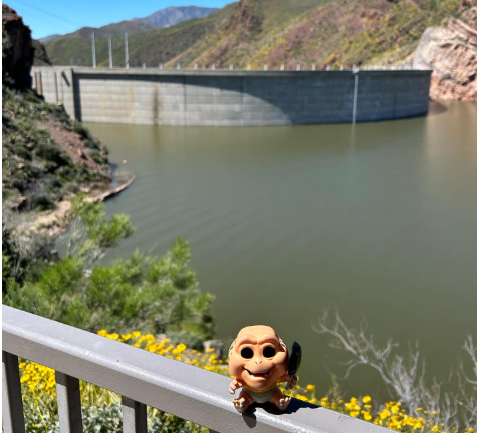
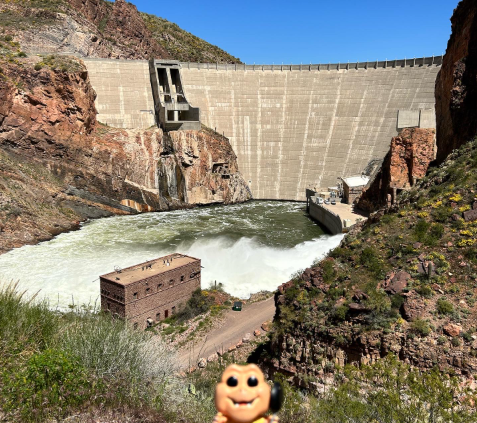
- Because falling water spins magnets around copper coils, the water is not polluted and neither is the air.
- Hydropower can even be created using dirty water!

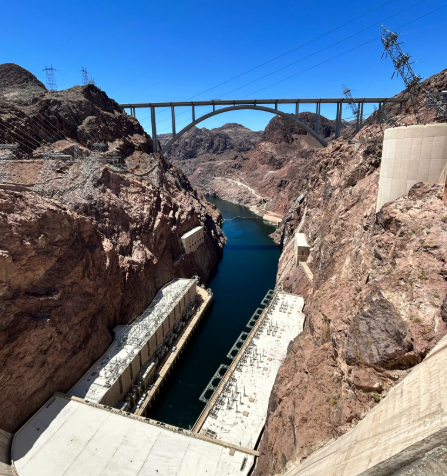
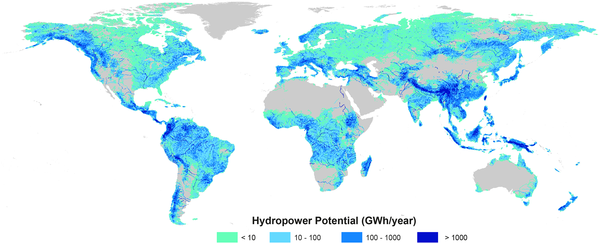
- Unfortunately, not every city is located near a consistently flowing river with a large change in elevation and space for a lake.
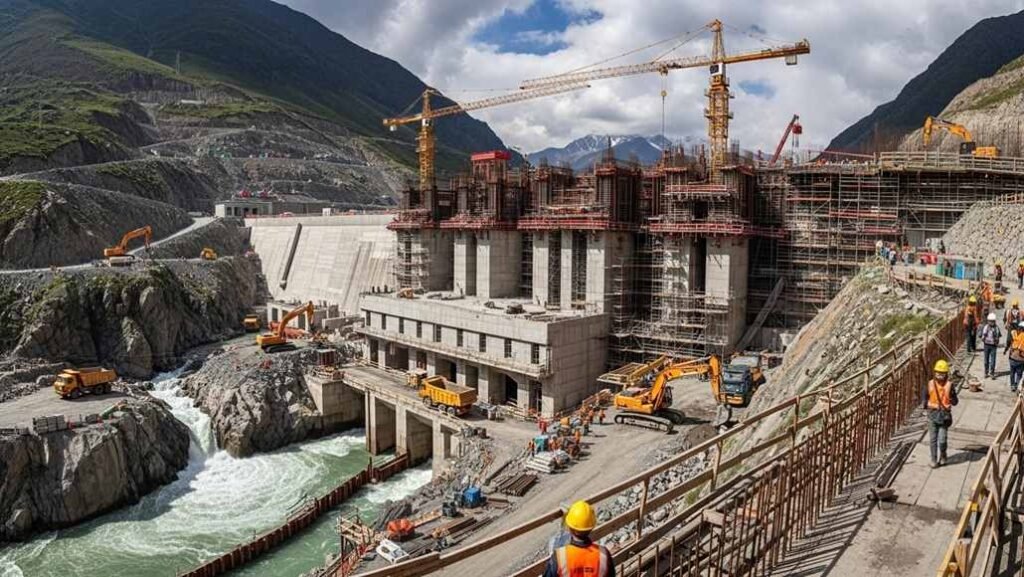
- Dams don’t just magically appear in on rivers.
- Concrete for the dam and metal for pipes must be mined, transported and set up by equipment that burn fossil fuels.
- While hydropower is clean at point of use, there is still environmental impact during setup.
- Once a dam is built, the area behind it is flooded destroying habitats for plants and land animals.
- If humans live in the area, their towns are flooded and they must move.
- One of the functions of rivers is to erode rocks and carry sediment to the ocean which results in fresh shorelines and sedimentary rock formation.
- Dams not only disrupt this rock cycle, but they get clogged by these sediments and must be cleaned regularly to function.
- Dams create a barrier to aquatic life moving within the river ecosystem.
- Salmon specifically are born in freshwater streams, cruise down rivers to the ocean and return to their birth streams to reproduce.
- Dams on migration routes install fish ladders which allow movement past the dam and room to rest.
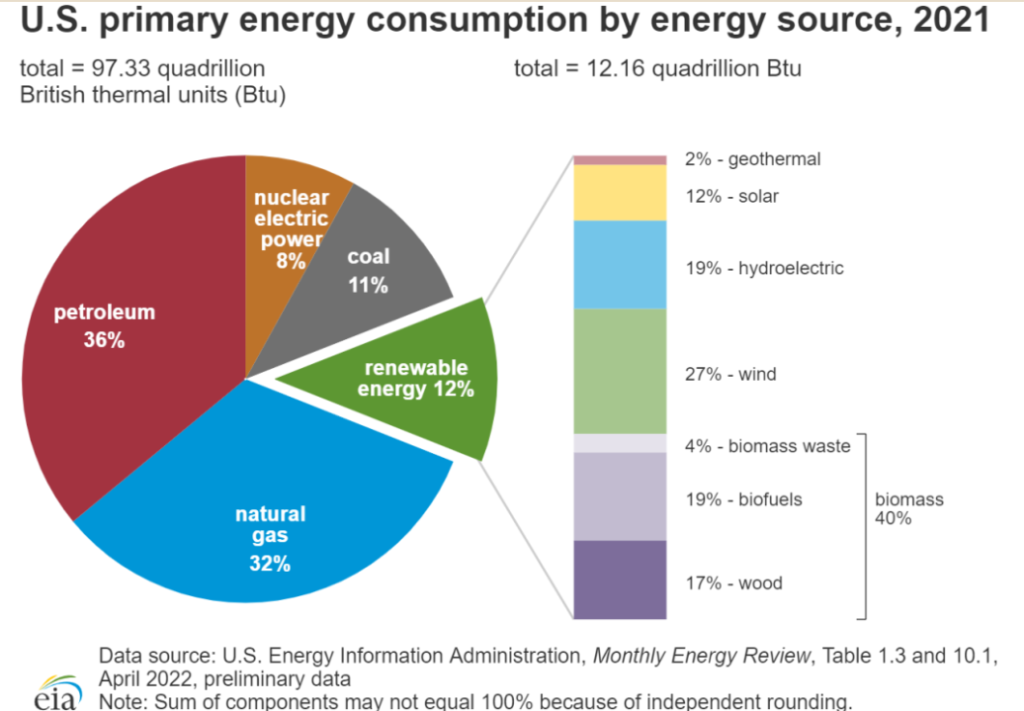
HYDROPOWER accounts for 2.5% of all energy consumed in US
China produces the most hydroelectric energy in the world.
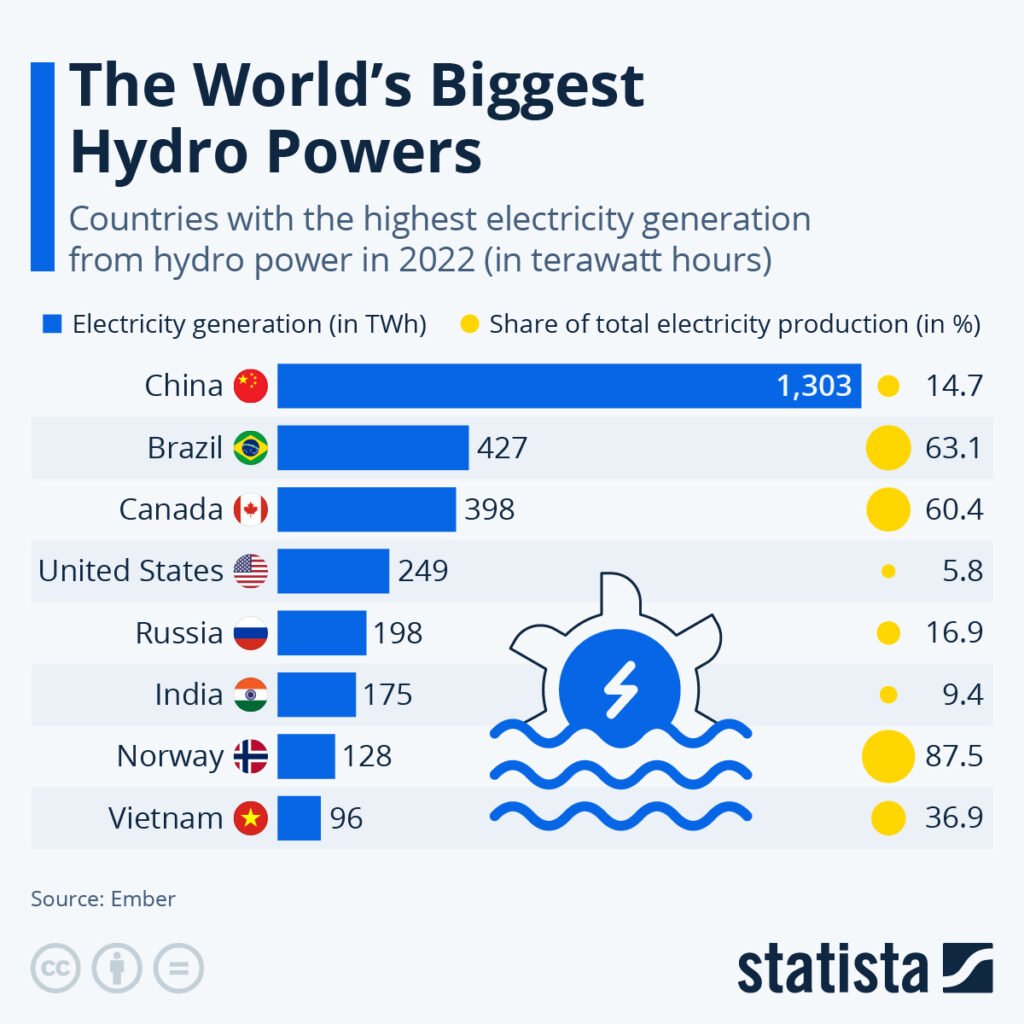
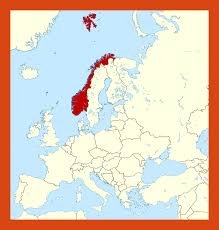
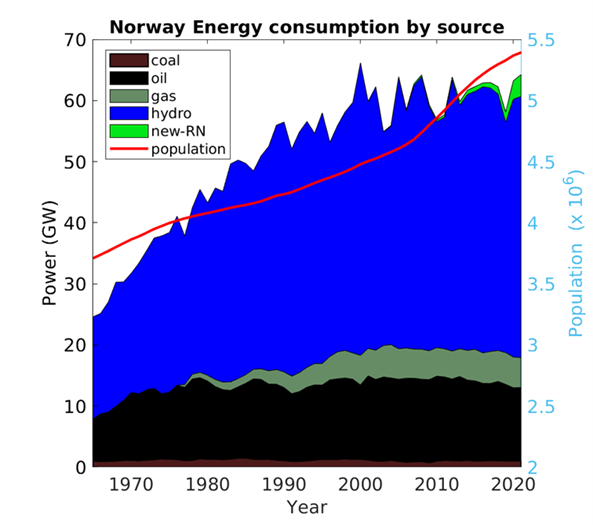
- Norway is a mountainous coastal country with 5.5 million residents.
- While the China may produce more total hydropower, Norway gets the highest proportion of their energy from geothermal!
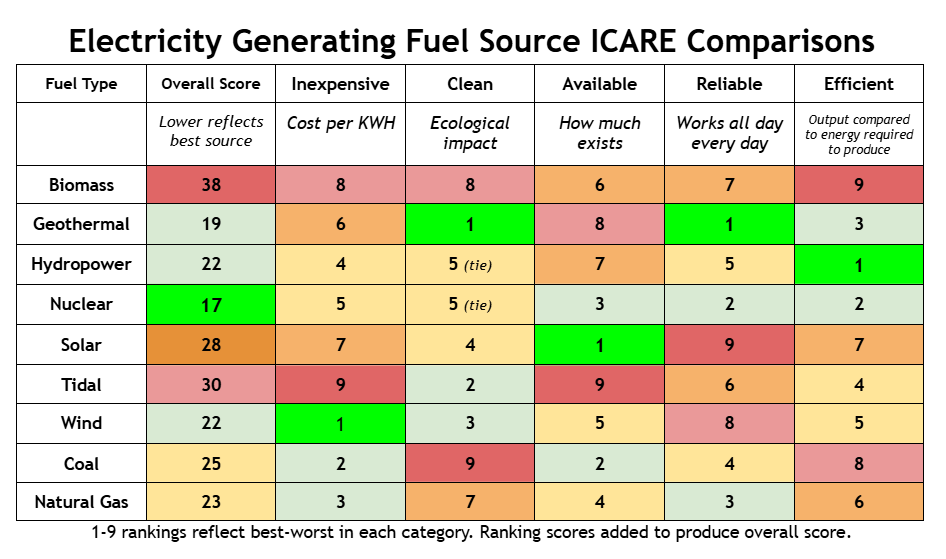
- Geothermal is tied for 3rd on the ICARE comparison, because other than being very efficient, it has midrange ranking for other scores.
- For countries that find themselves on a large, reliable river, hydropower can provide clean, cheap energy if managed properly.
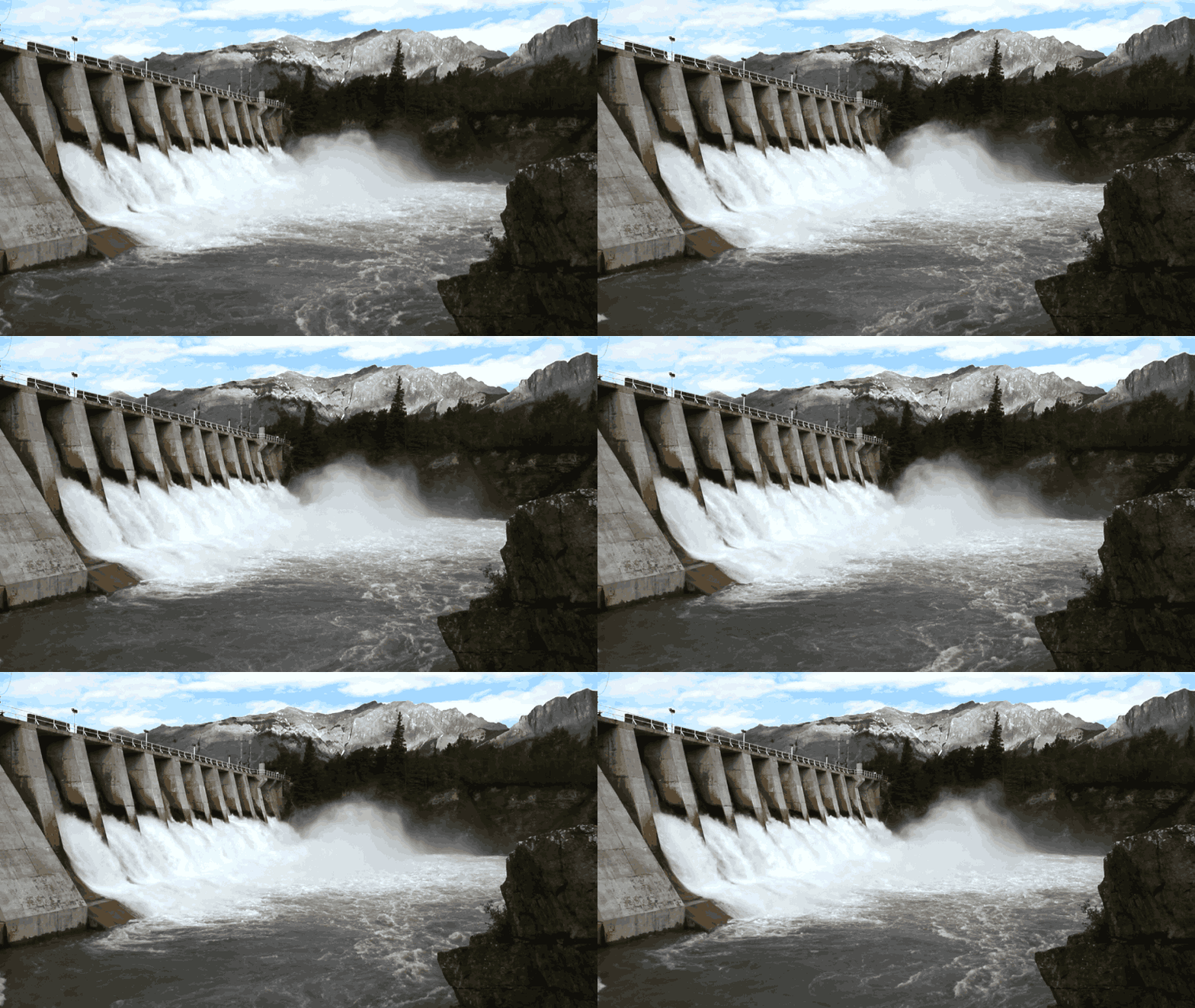
Could hydroelectric energy work in your city or country?
What’s next?
I’m lost😱
…
I need practice 🤔
I think I get it, but would like some more practice!
Let’s move on👍
I’m good on this energy source, let’s learn about the others: