
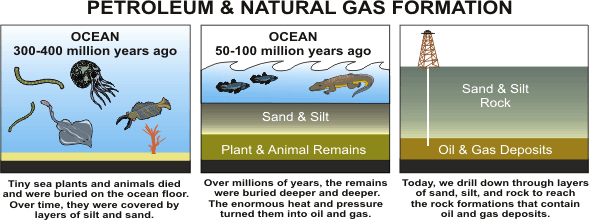
- Natural gas is almost always found along with petroleum at the site of an ancient ocean.
- Plants and animals died, were buried by sand and slowly pressed into oil and gas hydrocarbons over millions of years.
- This super slow process is continuing and someday today’s seaweed will become natural gas too!
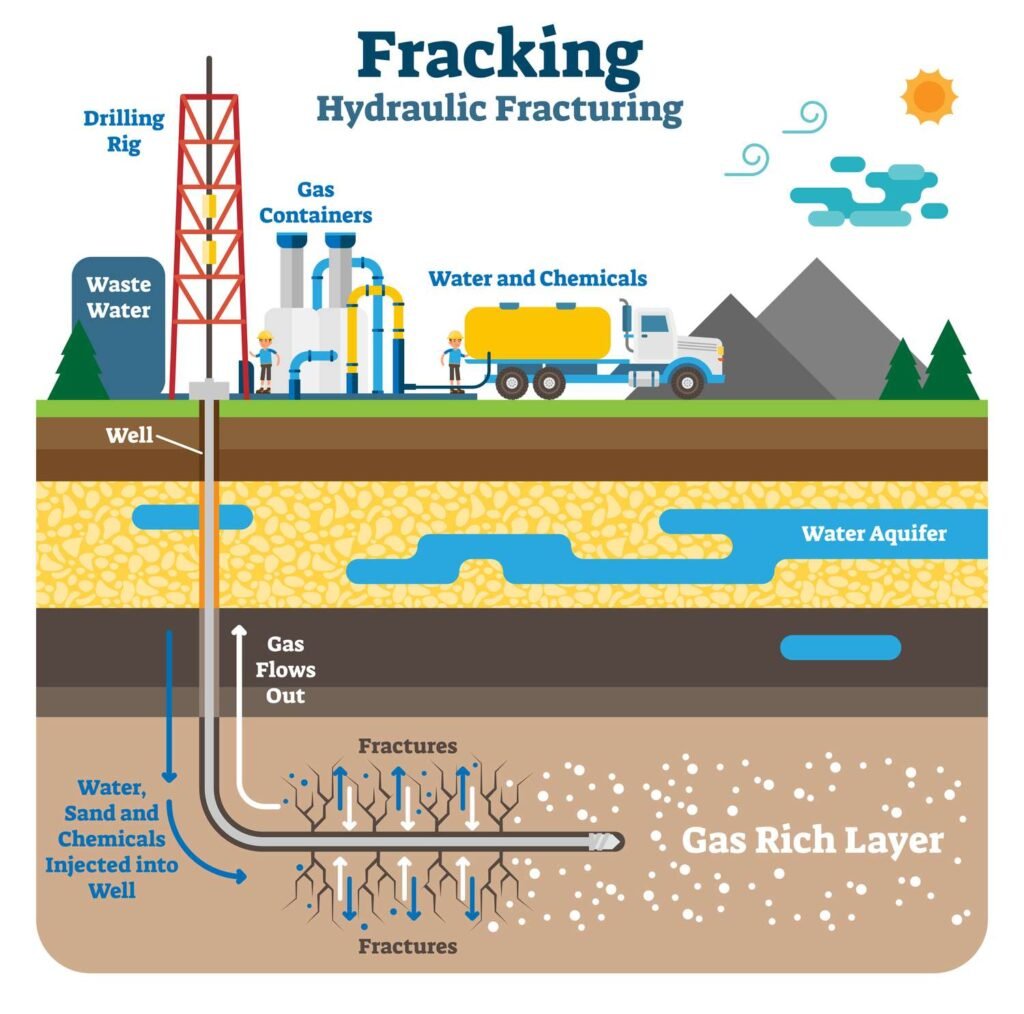
- Instead of forming a large blob underground like oil, natural gas is found in small air bubbles scattered among rock layers.
- FRACKING (aka hydraulic fracturing) involves drilling down to the layer with gas bubbles, then sending high pressure water with chemicals to break the rocks underground, breaking the gas pockets free so it can be harvested.
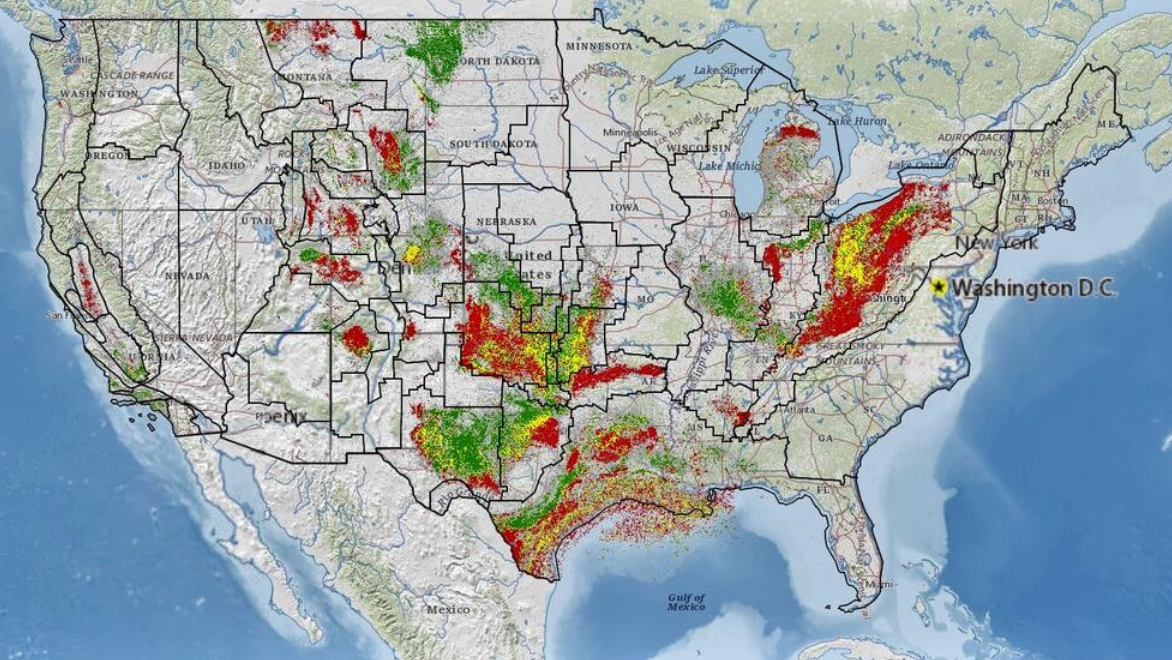
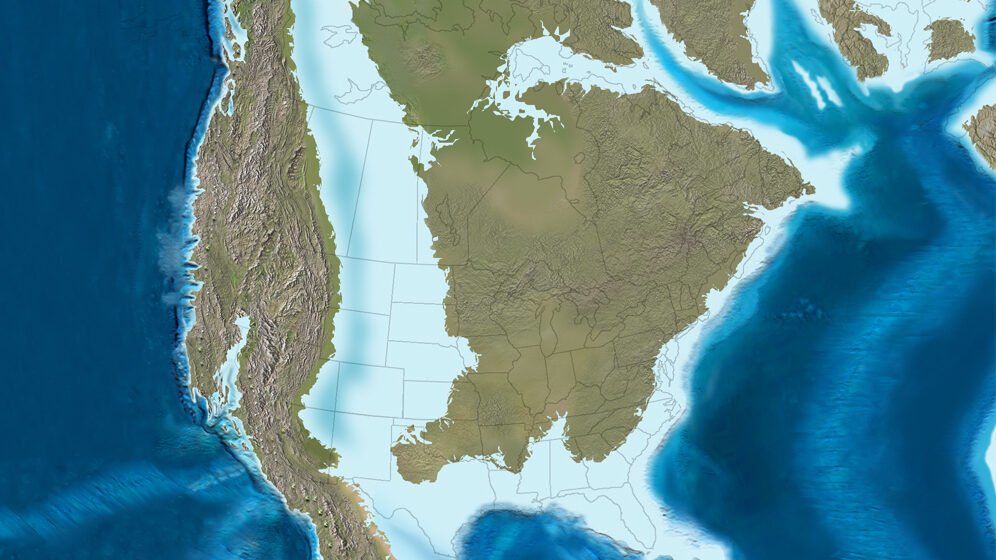
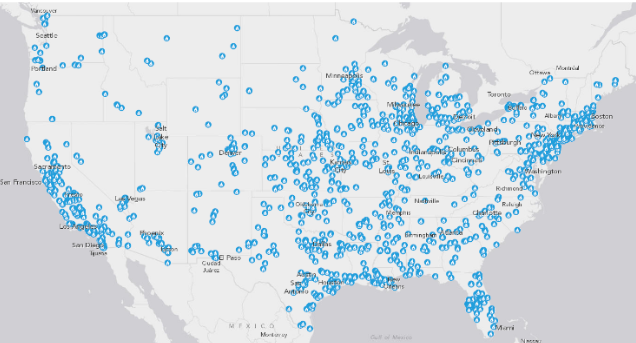
Location of US Natural Gas Wells matches the ancient sea
Natural gas can be transported in pipes over long distances as well as in trucks, trains and ships.
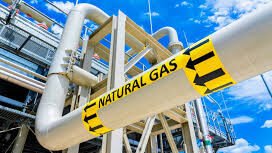
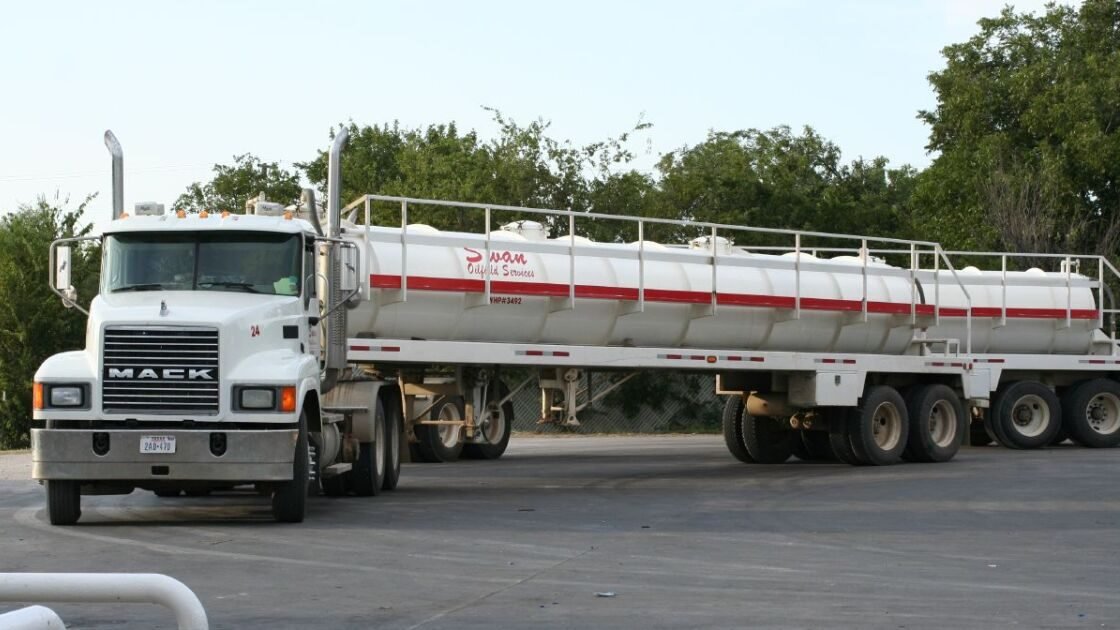
- Not all countries in the world are on top of an ancient ocean, so distribution of natural gas isn’t equal.
- Current top producers:
- #1 – US
- #2 – Russia
- #3 – Iran
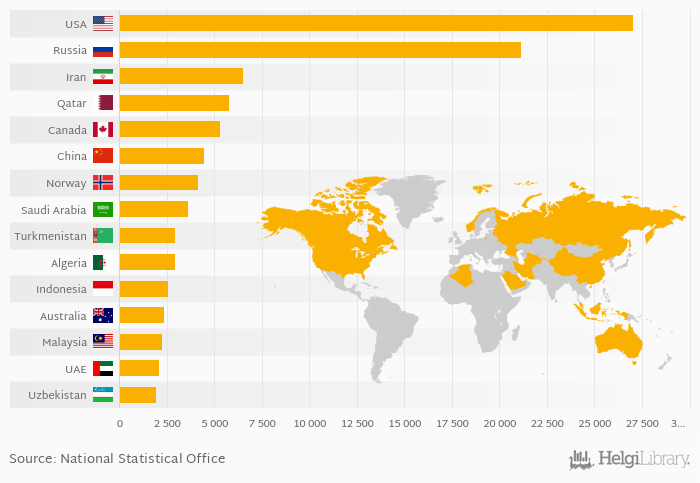
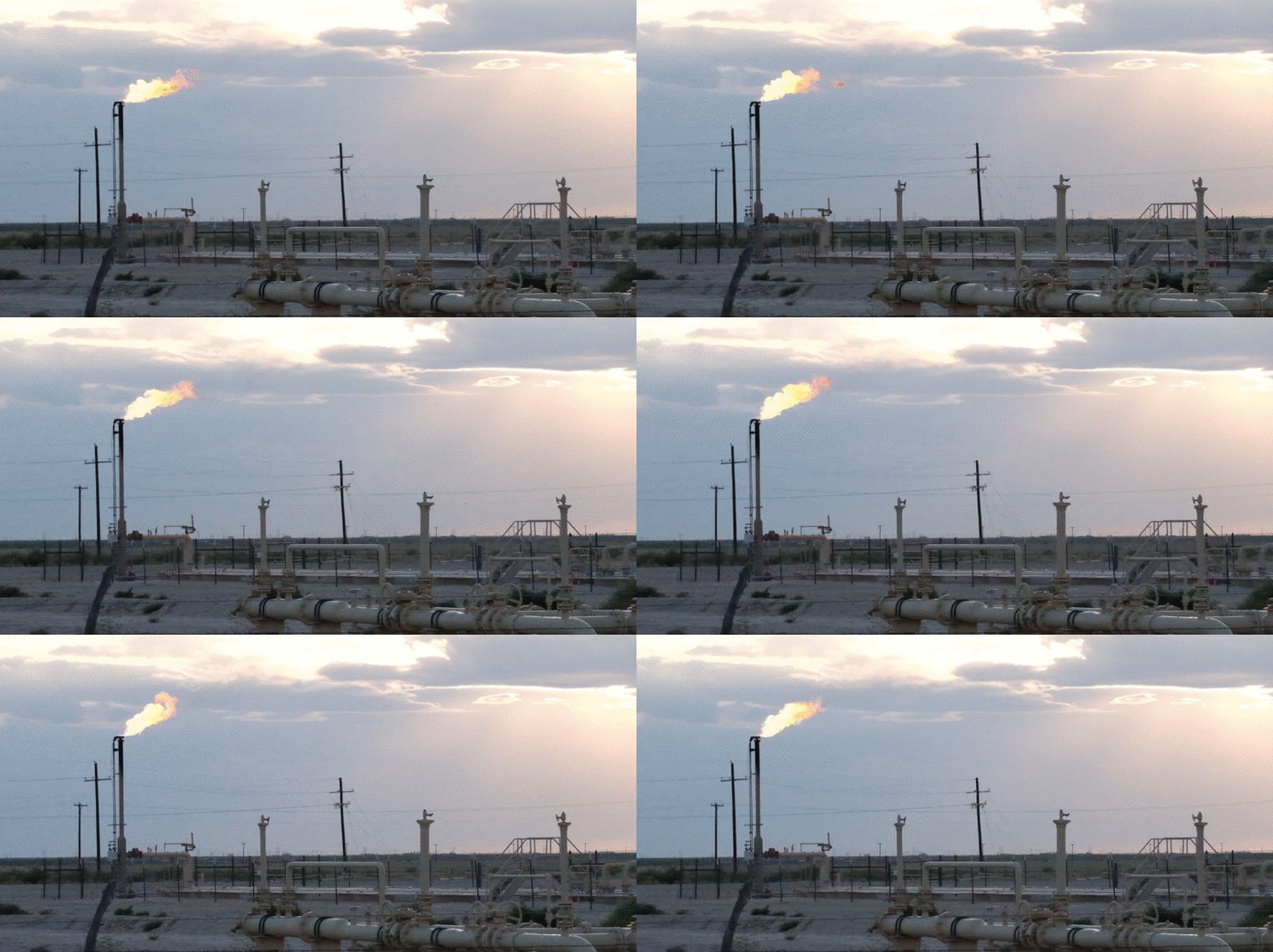
- Because natural gas is a colorless odorless gas, leaks to tanks, wells and pipelines may go unnoticed until people start getting sick.
- It is more dense than air though, so leaks form thick blankets across the ground causing headaches, nausea and even suffocation to people near them.
- In 2015, the largest leak in US history at Porter Ranch, CA spewed nearly 100,000 gallons of gas over 4 months until it was capped, displacing 10,000 people from their homes.
- The fracking chemicals required to shatter the rock layers separating the gas pockets inevitably cross into water that naturally exists underground.
- People that depend on wells into the water table find their water undrinkable, or worse, explosive!
- Fracking overwhelmingly takes place in very rural areas with low populations who struggle to fight back against large corporations when their water is undrinkable.
- Natural Gas accounts for 32% of all the energy consumed in the US.
- Blue sliver of pie chart
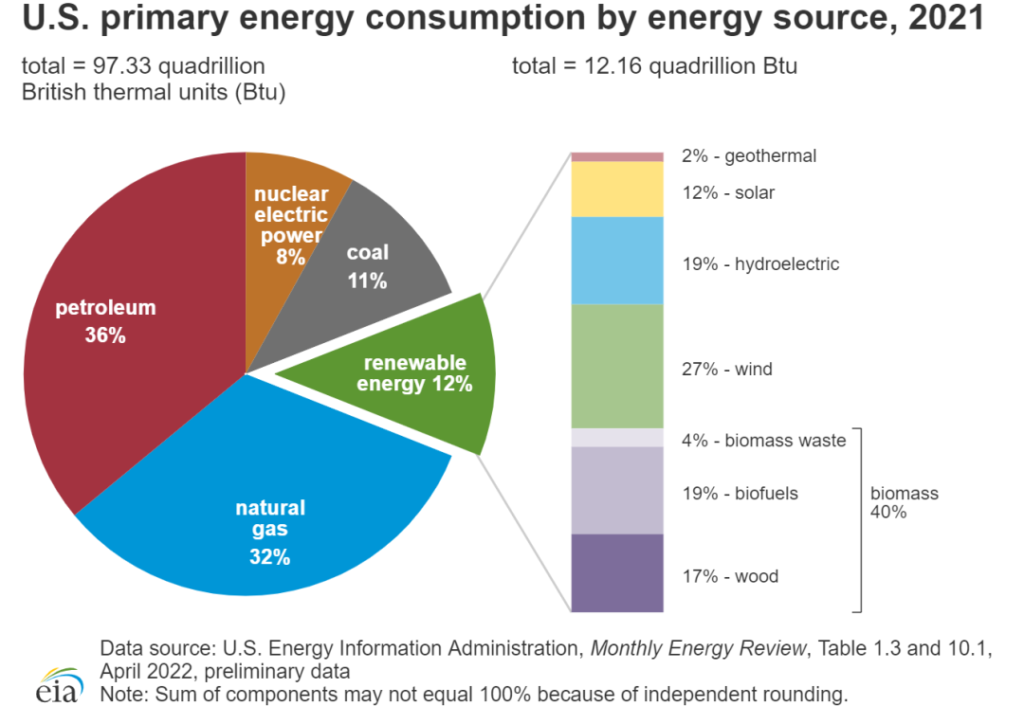
- Natural Gas is used to generate electricity, heat buildings and to a lesser extent, in vehicle engines.
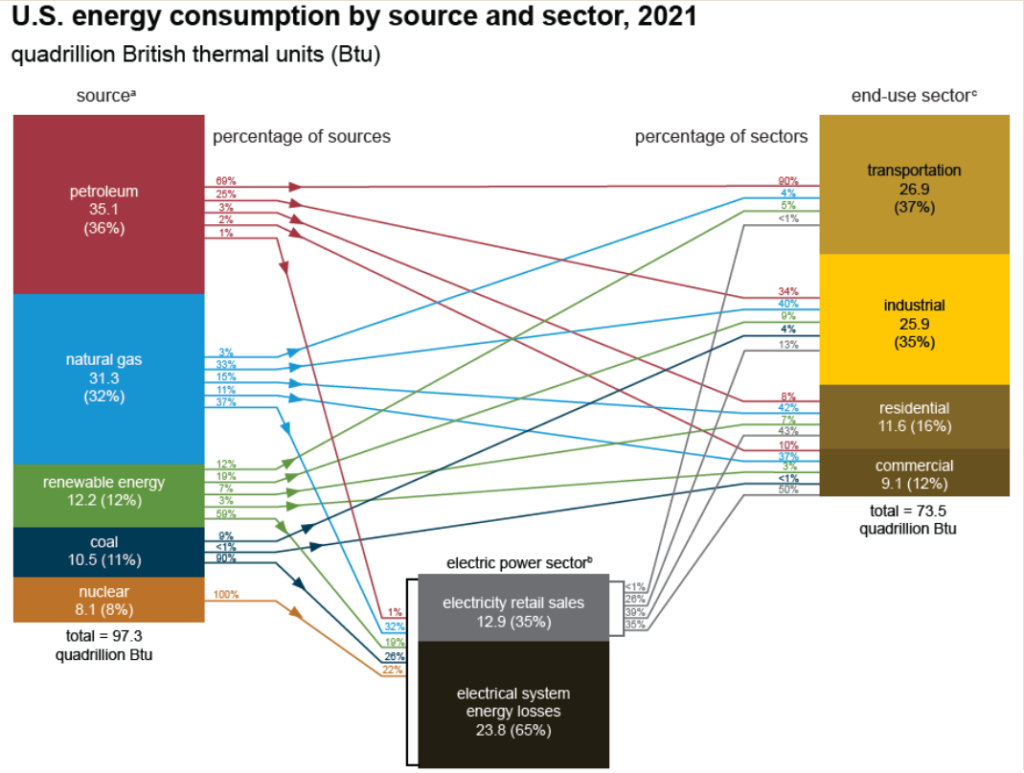
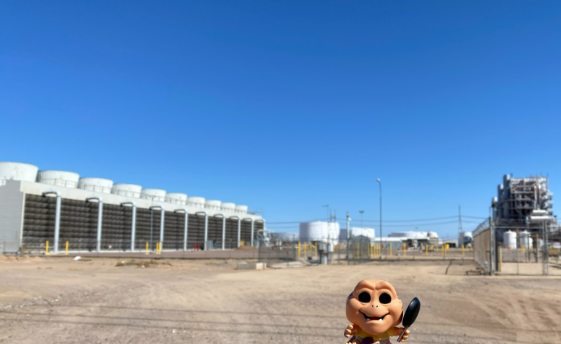
- There are roughly 2,000 electricity producing natural gas powerplants in the US.
- Arizona has 16.
United States consumes the most natural gas in the world.
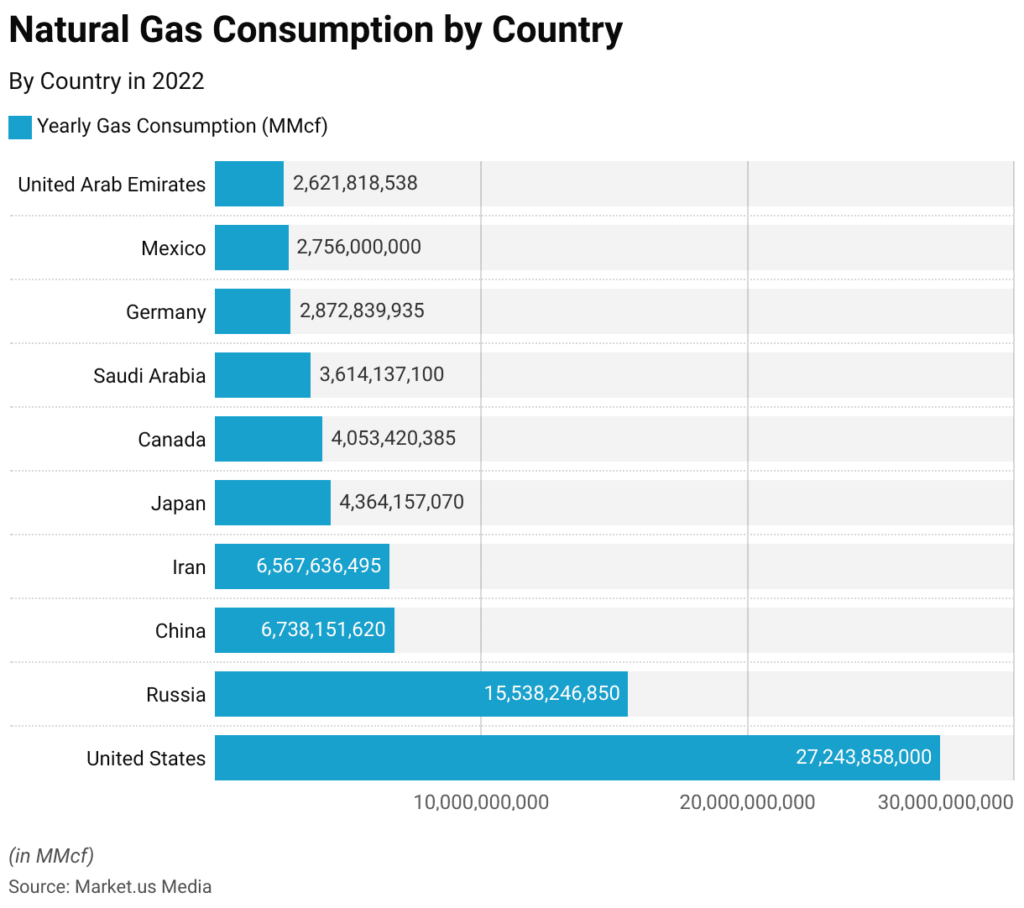
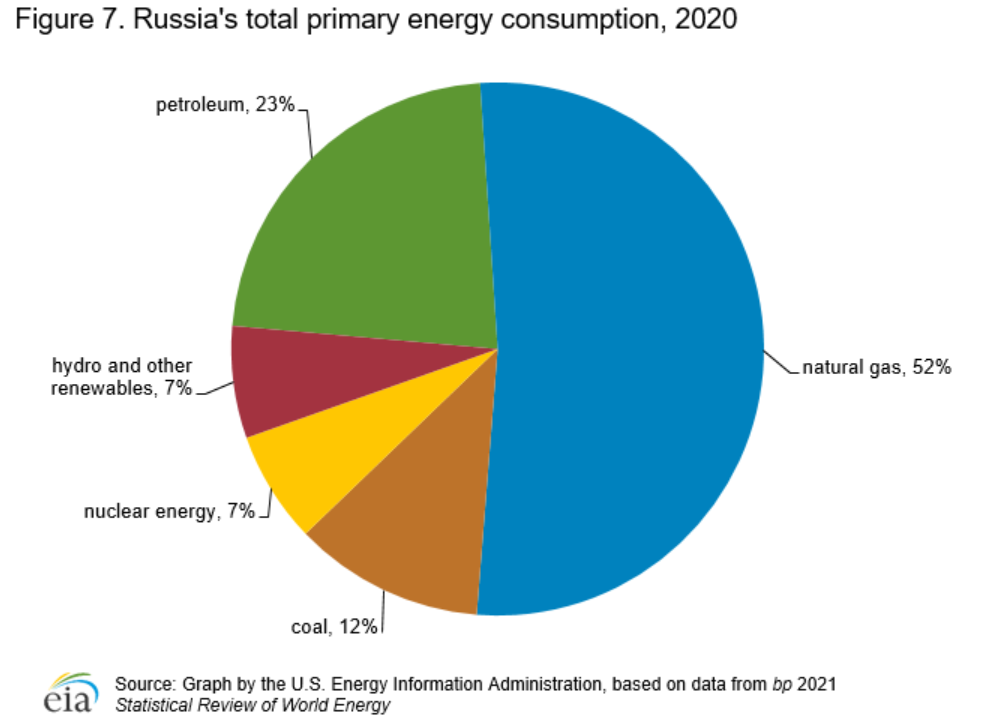
Russia is the most reliant on natural gas with it accounting for over 50% of their energy.
What do you think about Natural Gas as an energy source?
What’s next?
I’m lost😱
I need some background information:
I need practice 🤔
I still need to explore the other Fossil Fuels:
Let’s move on👍
I understand the fuel source, how does our use impact the environment?