
- Nuclear energy exists within the smallest particles of matter called atoms.
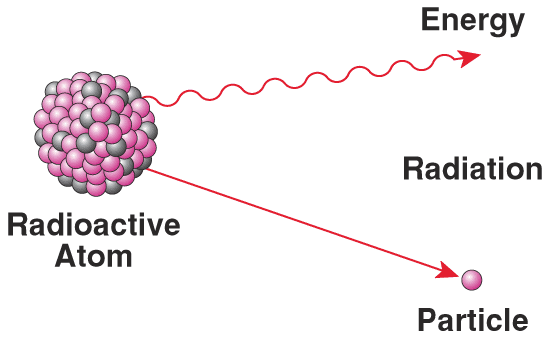
- Very large atoms are unstable and shoot particles and heat energy out of the nucleus in their centers.
- While these particles and energy can be dangerous to living cells, they can also be harnessed to generate electricity!
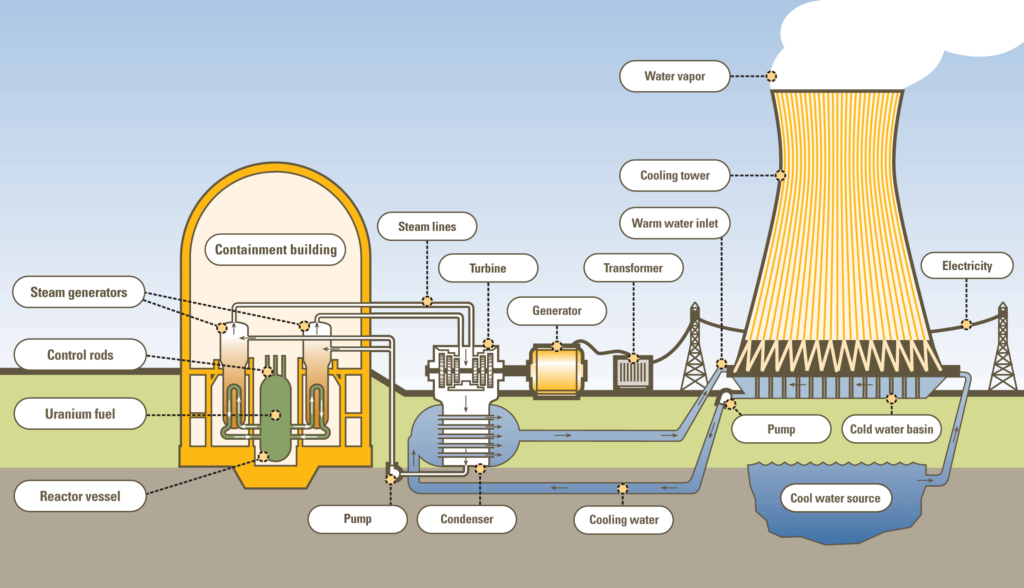
- Reactors contain uranium atoms that are packed into nuclear fuel rods and submerged in water.
- The radiant energy heats the water into steam which spins magnets around copper coils to generate electricity.
- The released particles slam into other atoms forcing them to release more energy.
- The water helps to slow this process down so there isn’t a meltdown or explosion.
NUCLEAR ENERGY TRANSFER CHAIN: NPE -> HE -> KE -> EE
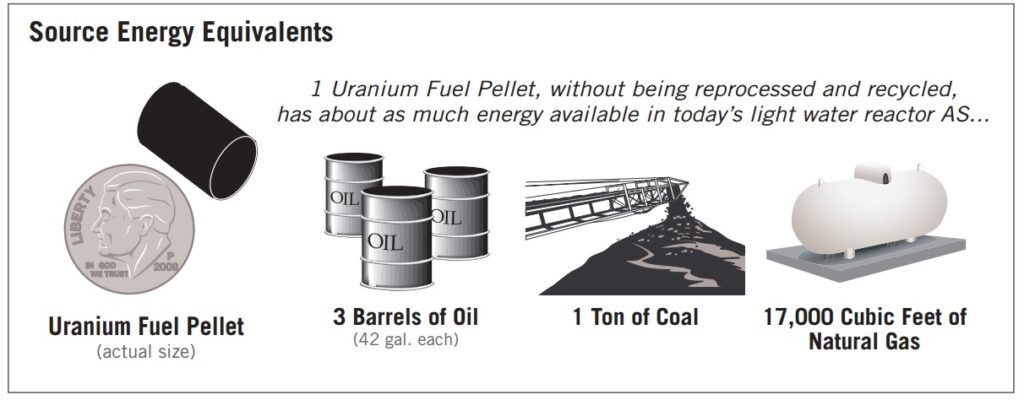
- Pound for pound, uranium provides the most electricity of any source we have figured out how to harness on Earth.
- As you can see from the diagram, one tiny pellet is equivalent to huge amounts of fossil fuels.
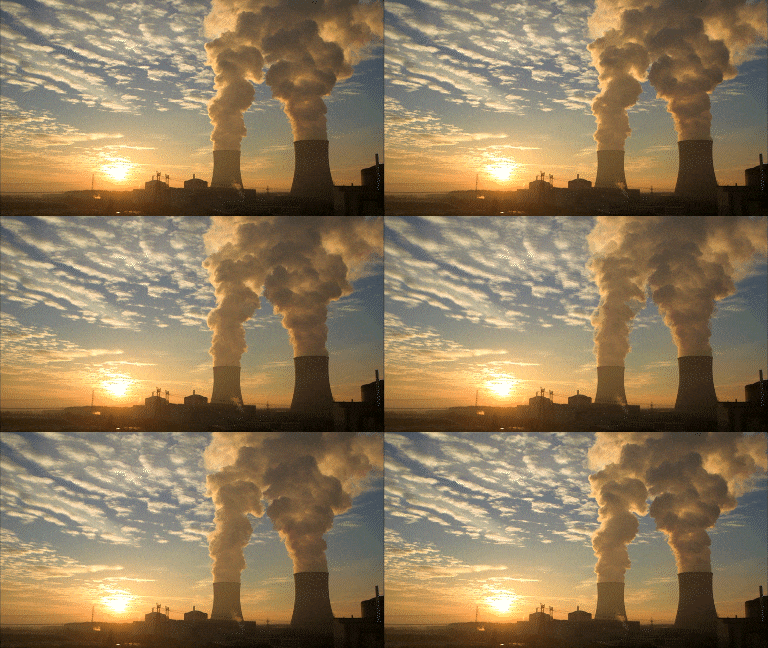
- While the cooling towers at a nuclear power plant may look scary, they are just allowing steam to rise from the reactors.
- There is no CO2 produced since nothing is being burned and the radioactive atoms are too big to evaporate.
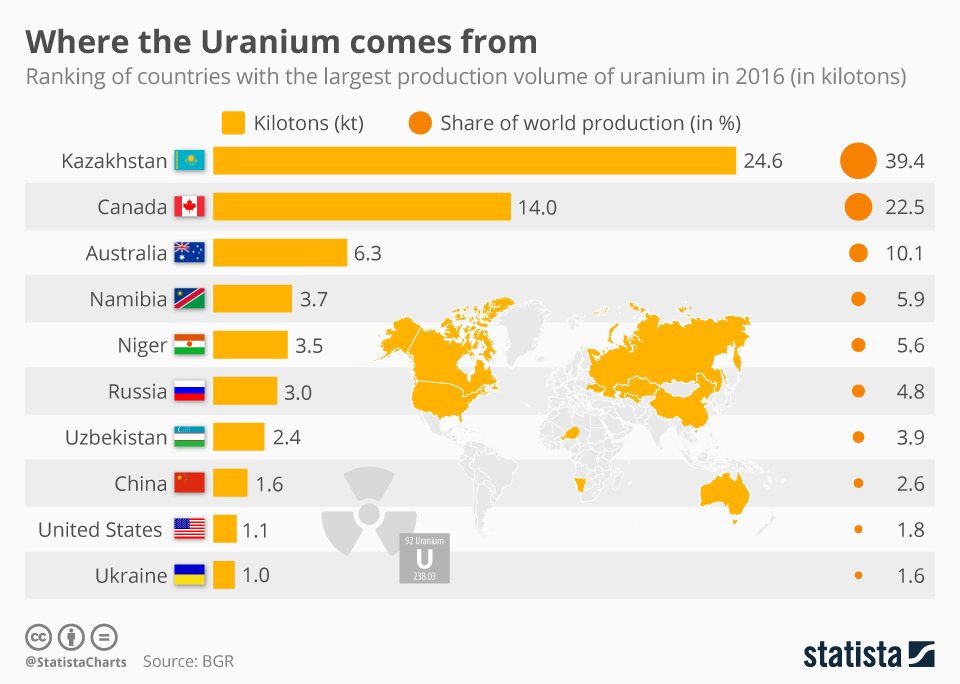
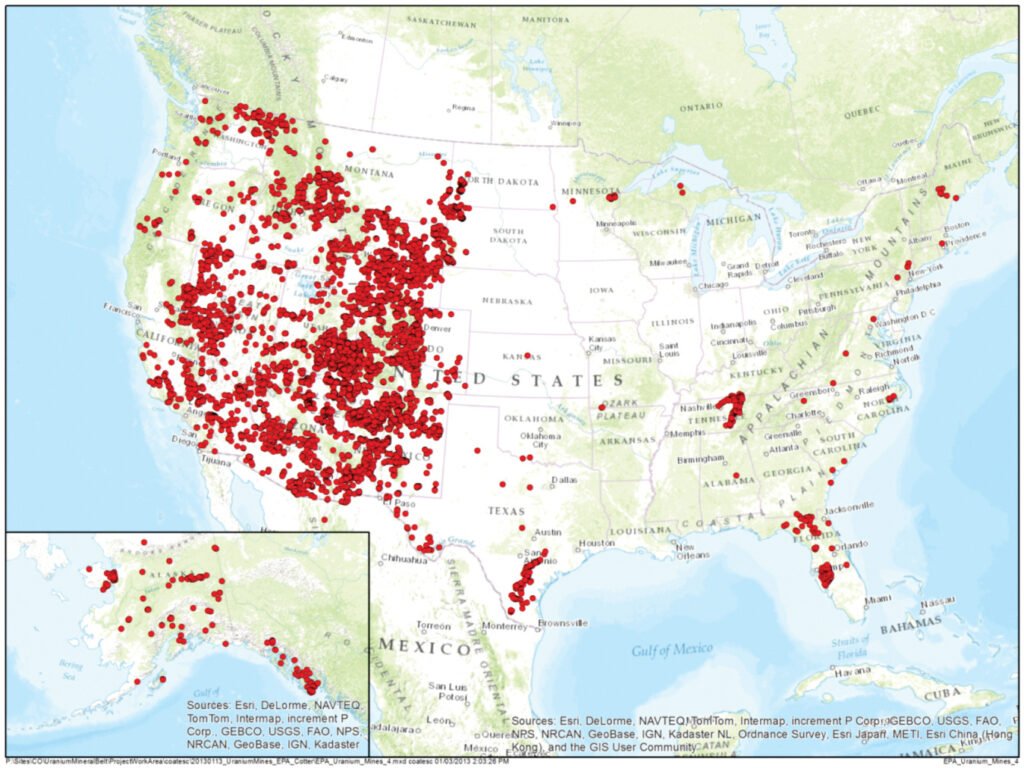
- Not every country has a bunch of Uranium atoms in their rocks.
- Countries that do find themselves embroiled in political power struggles with countries who want the nuclear material.
- If you haven’t heard of the countries on the chart, get familiar, because nuclear material is one of the hottest items in geology!
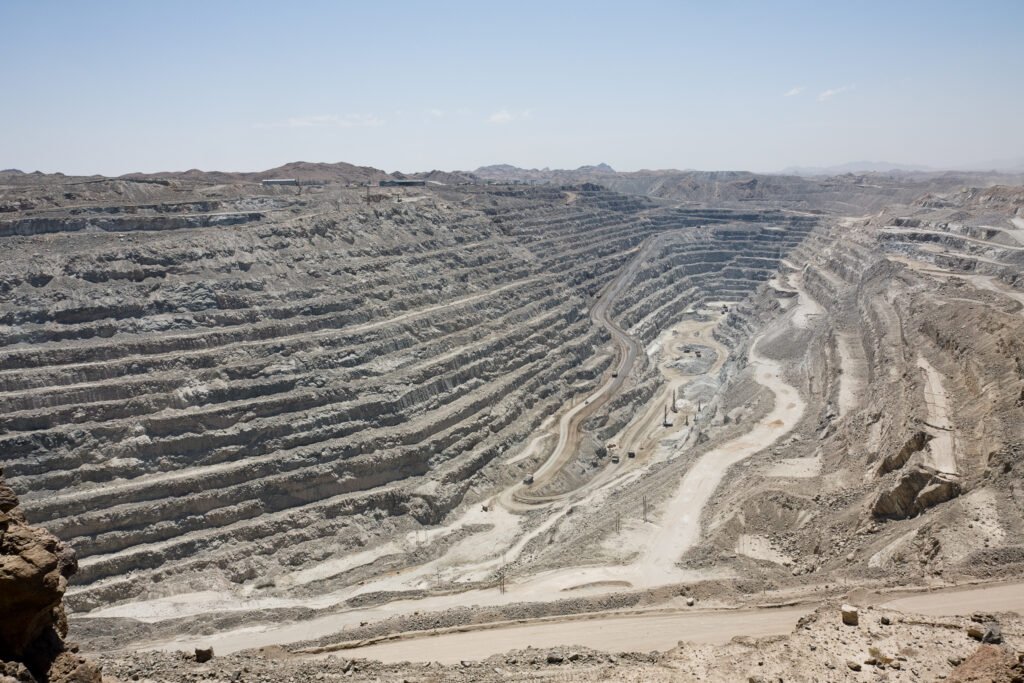
- Once the uranium is located, fossil fuel powered equipment removes it from the ground causing land damage and air pollution.
- And while uranium trapped underground isn’t problematic for ecosystems, exposed uranium from mining gets carried away by rainwater resulting in contaminated water sources.
- We can’t just throw uranium rocks into water and heat it up, the uranium has to be refined into nuclear fuel pellets.
- Due to the delicate nature of this process, there are only a few facilities in the world that enrich uranium.
- And and you can imagine, countries with that capability engage in politics.
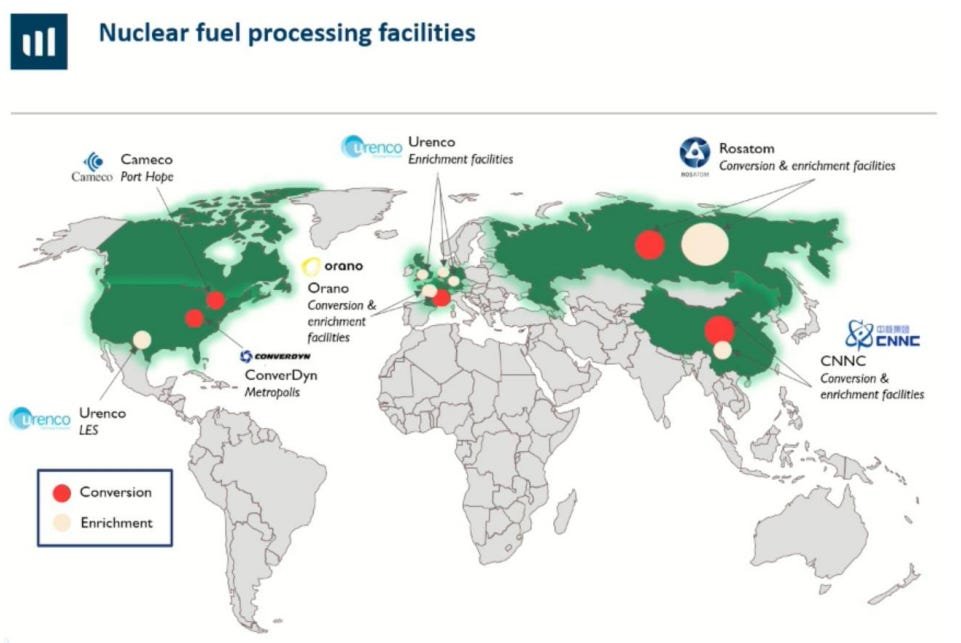
- The process of enriching Uranium for use in a power plant is just a few steps away from atomic bomb Plutonium.
- Once countries get the nuclear energy capability, nuclear weapons aren’t far behind.
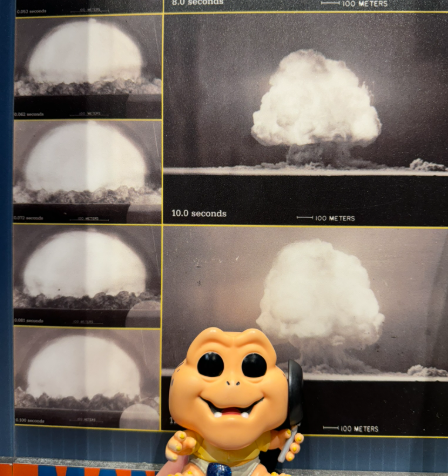
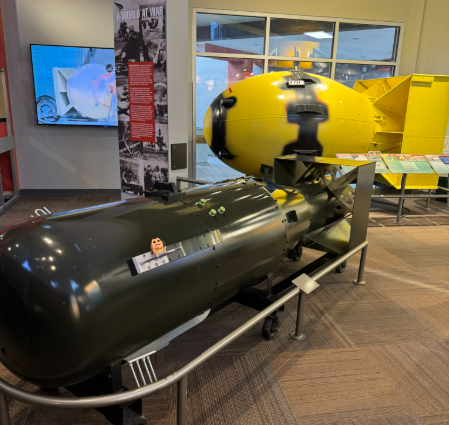
- Nuclear power plants require an enormous amount of metal and concrete for the control rooms, reactors, cooling towers and storage facilities.
- Each of these components must be mined, transported and assembled using machines that run on fossil fuels an emit CO2.
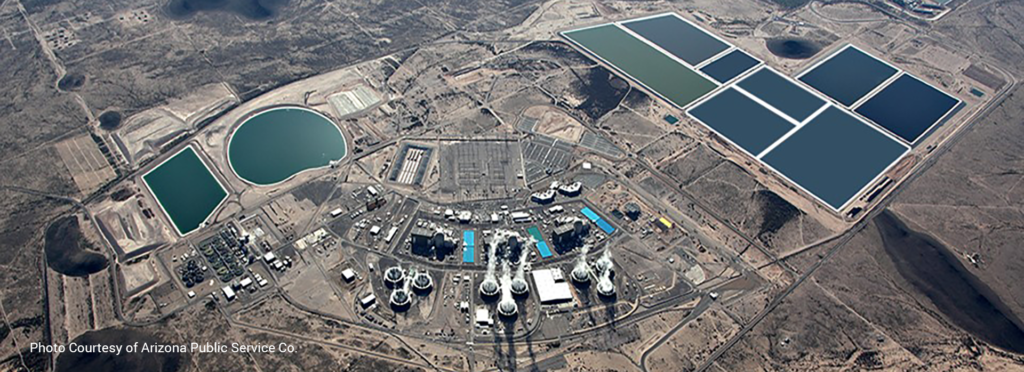
- As mentioned above, nuclear requires a consistent supply of water to absorb radiation so it can generate electricity.
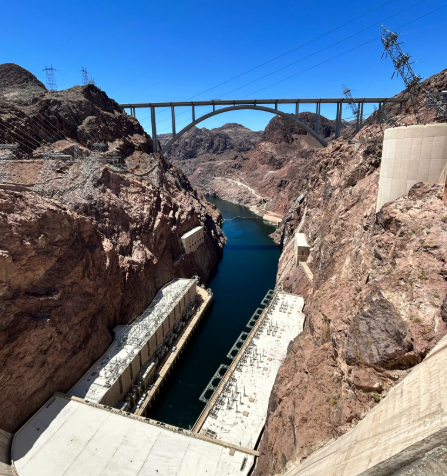
- Canal and dam projects often precede the the construction of nuclear plants to ensure they never run out of water.
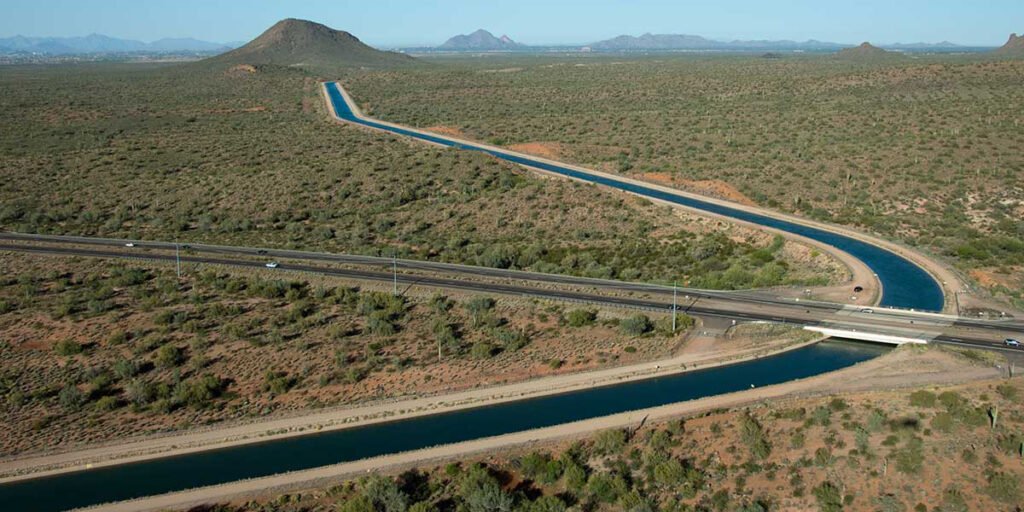
- Nuclear projects create a lot of nuclear waste.
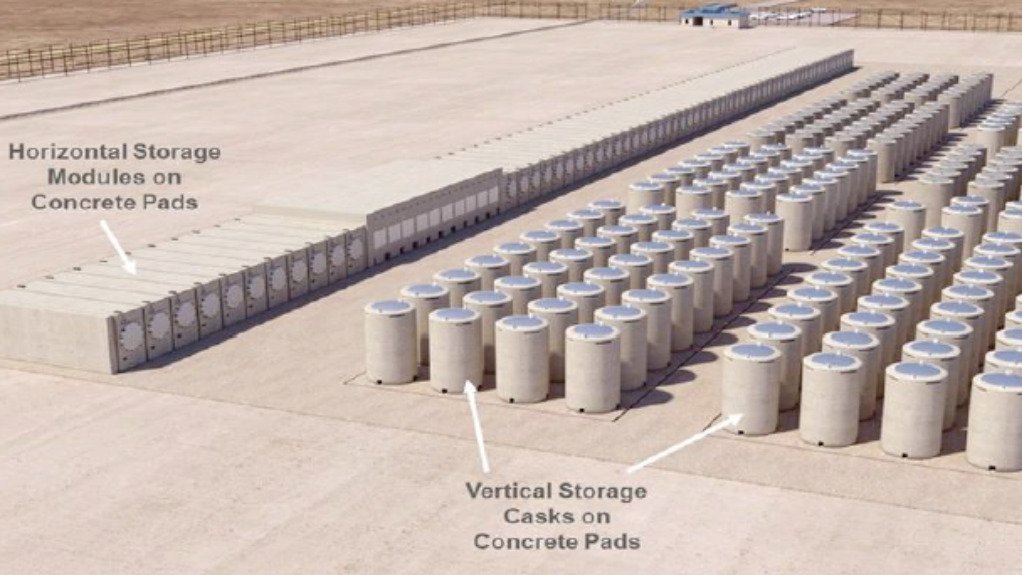
- When radiation slows from fuel rods, the are cycled through a series of cooling pools until they can be placed in barrels and buried.
- Unfortunately, the radioactive material can melt and leak out of containers so special sites are designated to hold the waste which maintains its danger for 1000s of years.
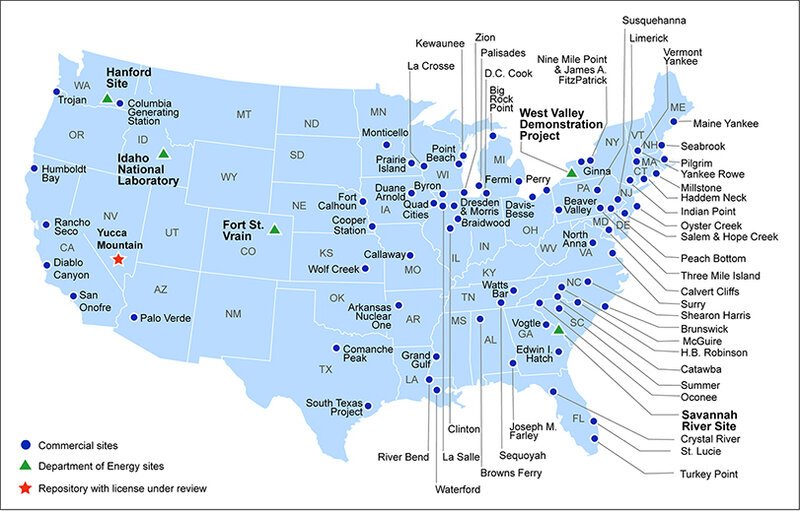
- While it’s only happened a few times, when reactors malfunction, they can “go nuclear”.
- When the heat absorbing water supply is cutoff, the nuclear material heats uncontrollably causing a meltdown of the rector building.
- In 1986, a malfunction at the Chernobyl reactor in Ukraine resulted in an explosion, core meltdown and radioactive cloud that spread over 1000 miles.
- 92,000 people were evacuated and there is a 15 mile exclusion zone that is still not inhabited to this day.
- In 2011, an earthquake and resulting tsunami damaged the Fukushima reactor in Japan resulting in an explosion and core meltdown.
- 136,000 people were evacuated and there is a 10 mile radius exclusion zone that extends into the ocean.
- A world leader in nuclear energy prior to the incident, Japan shut down their reactors seeking alternatives so they never had to deal with the situation again.
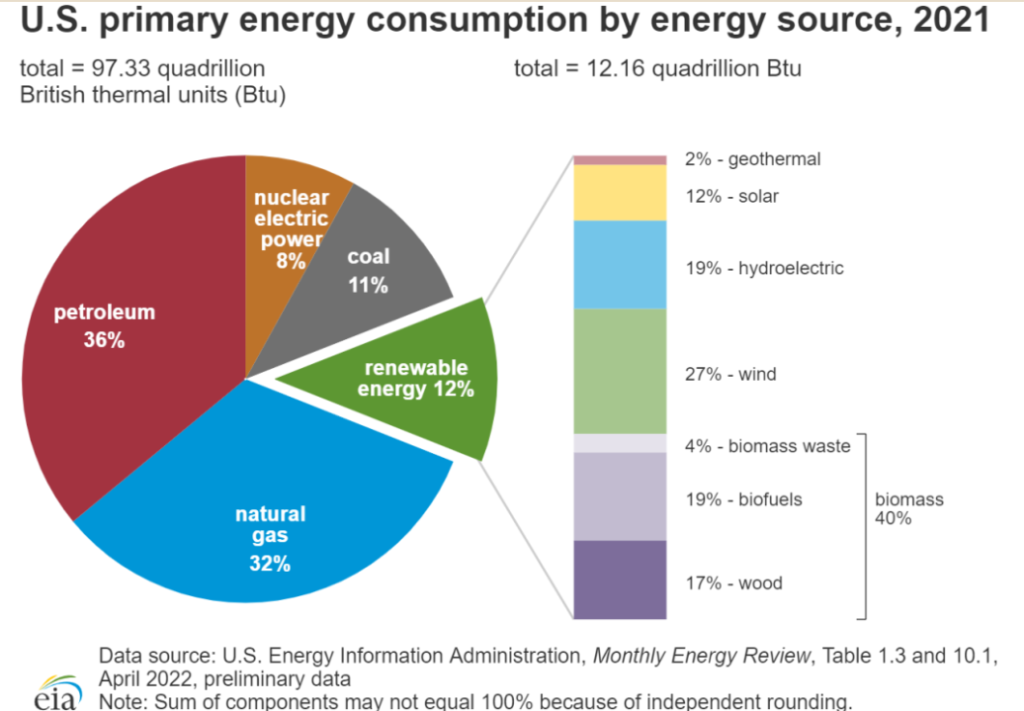
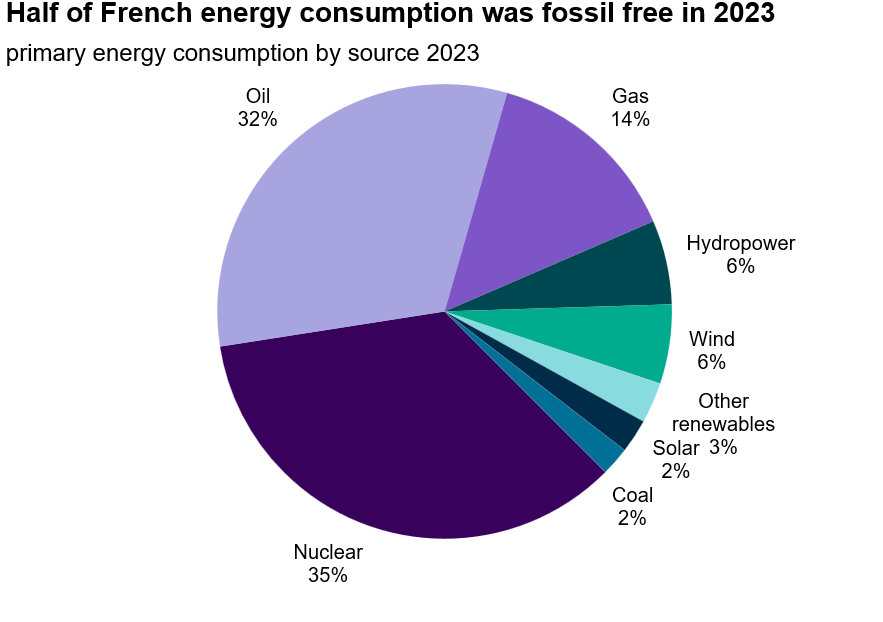
NUCLEAR accounts for 8% of all energy consumed in US
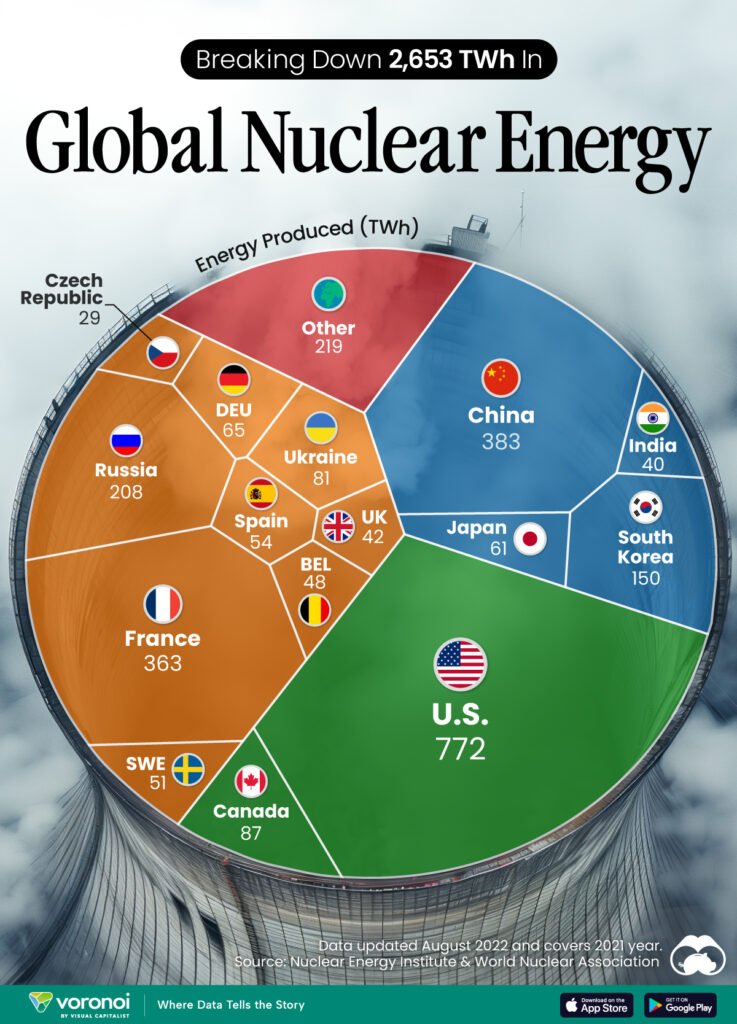
US produces the most nuclear energy in the world.
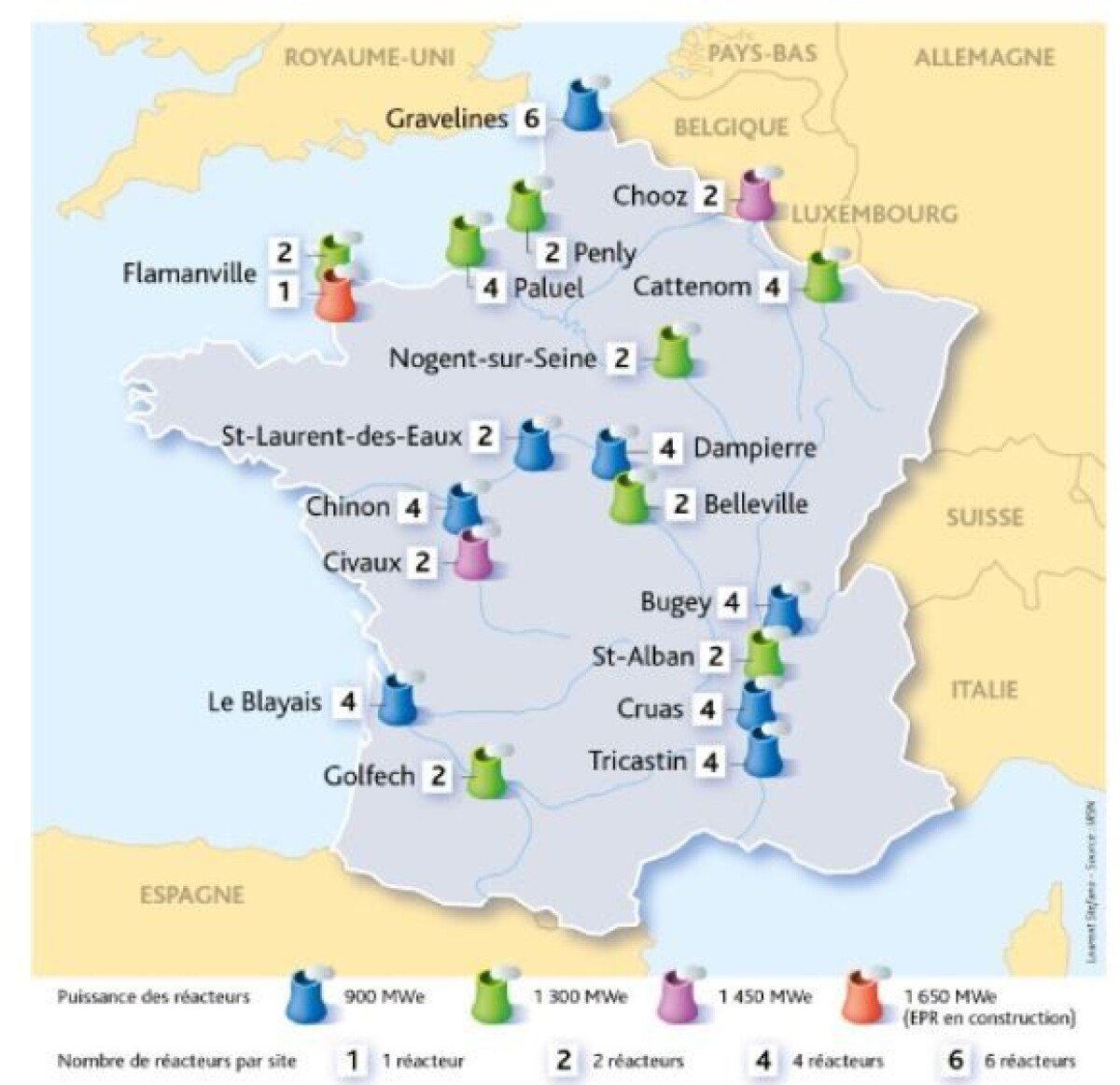
- France is a relatively large European country with a population of 69 million people.
- While the US may produce more total nuclear power, France gets the highest proportion of their energy from its 57 nuclear power plants!
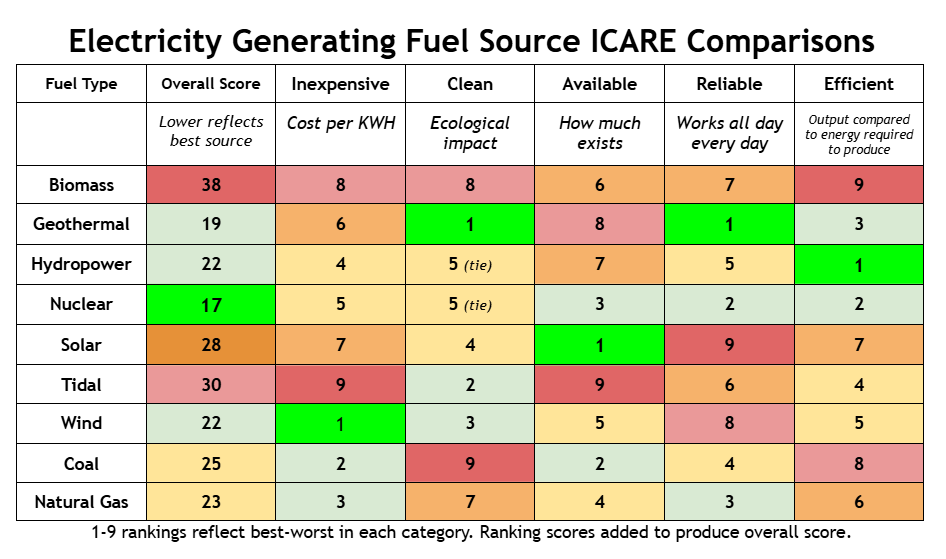
- Once a nuclear plant is built and the fuel is mined and enriched, nuclear provides a super reliable and efficient energy source giving it an overall 1st place ICARE ranking.
- While failure of systems can cause a literal nuclear meltdown, it is a very popular energy source worldwide.
Could nuclear energy work in your city or country?
What’s next?
I’m lost😱
…
I need practice 🤔
I think I get it, but would like some more practice!
Let’s move on👍
I’m good on this energy source, let’s learn about the others: