
Glance around the room… can you spot all the thing that are made from petroleum? Realistically, it would probably be easier to spot the things that aren’t!
Think old-timey people sat on hard wooden chairs, wore leather boots and didn’t carry water bottles everywhere because they wanted to? Nope, most of the materials we use today hadn’t been discovered yet!
When heated oil yielded clear kerosine in 1850, the race was on to see what else we could get out of “black gold”.

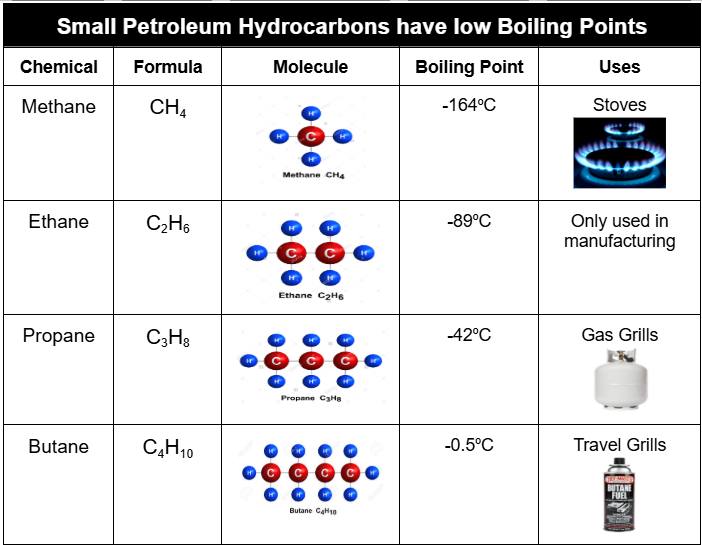
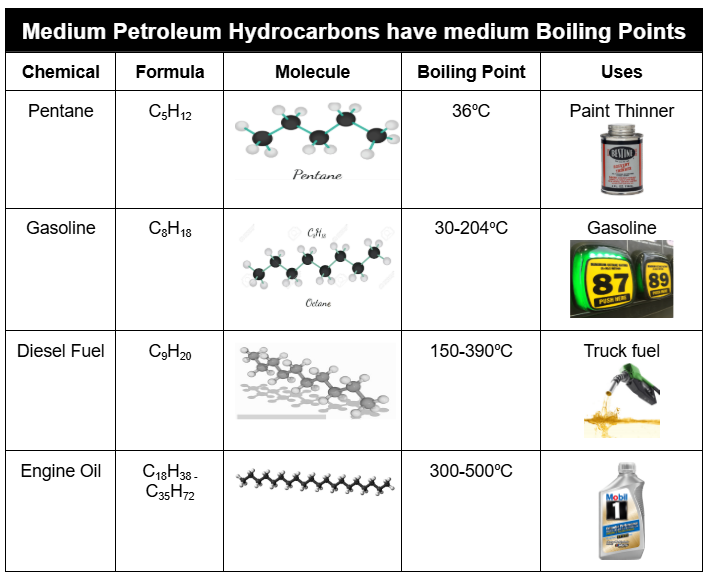
CRUDE OIL as it comes out of the Earth is a mixture of different sized molecules made of Hydrogen and Carbon called Hydrocarbons.
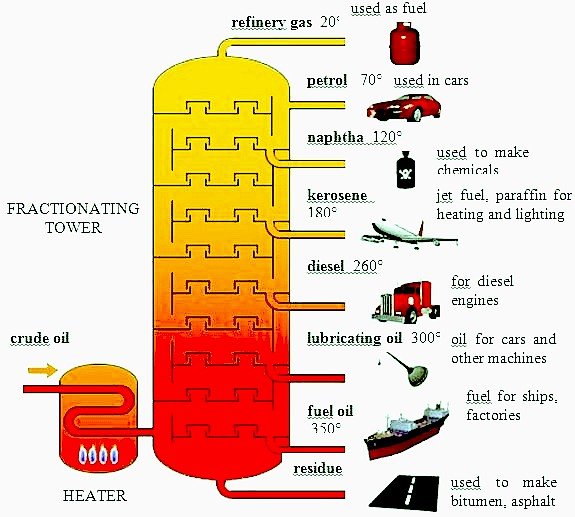
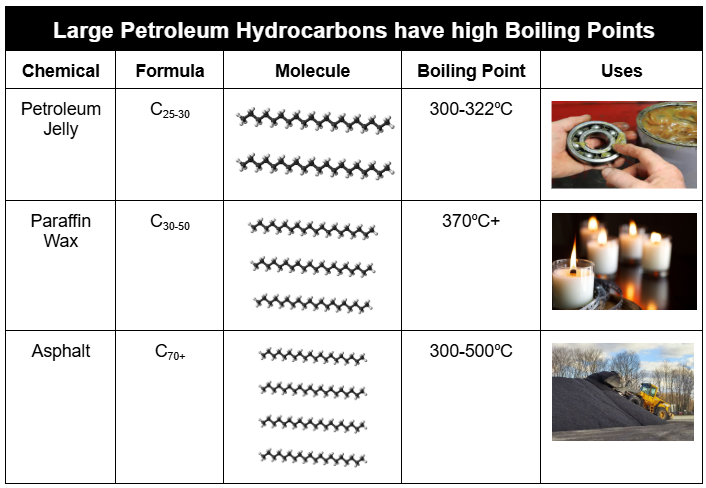
- When petroleum is slowly heated, the different sized molecules speeding up and boil at different temperatures.
- Once a gas, they rise upward in a tank and are collected and cooled separate tanks.
- This process is called Fractal Distillation and provides us with a variety of gas, liquid and solid substances you’ve likely heard of.
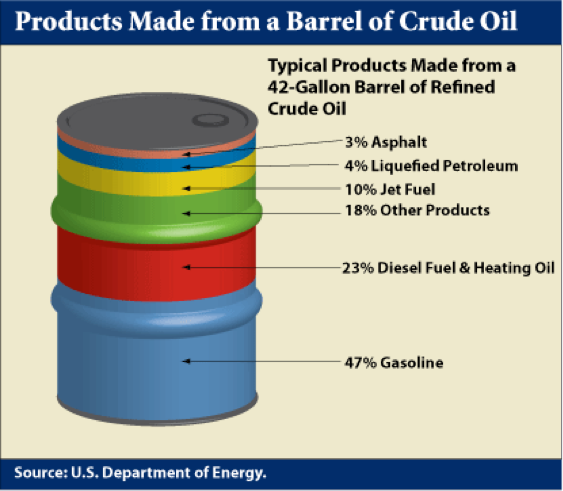
- As you can see, the majority of a barrel of crude oil is refined into liquid fuels for transportation like gasoline, diesel and jet fuel.
- But the “other” is very surprising!
Often called “synthetic materials” all of the products below are created from petroleum:
Fibers
- Polyester
- Nylon
- Acrylic
- Spandex
- Vinyl
- If your clothes don’t say cotton, wool, silk or hemp, it’s oil!

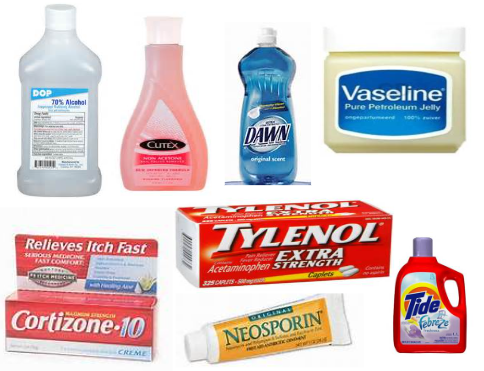
Medicines & Cleaners
- Tylenol
- Cortisone
- Rubbing Alcohol
- Vaseline
- Nail Polish remover
- Most soaps & detergents
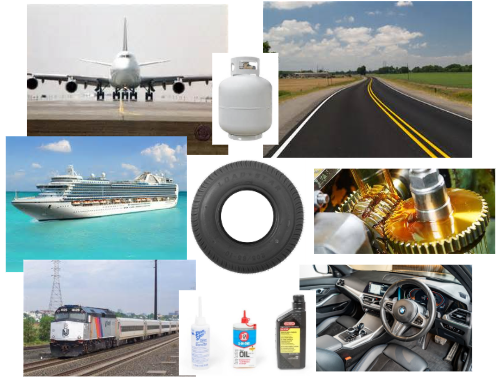
Transportation Fuels & Structures
- Asphalt for roads
- All fuel types
- Lubricants (ex brake fluid, engine oil, bearing grease)
- Tires
- Seat material & foam
- Carpet
- Plastic parts
Entertainment Supplies
- Crayons (paraffin wax)
- CDs and Cases
- Vinyl Records
- Plastic Toys
- Styrofoam
- Paint (acrylic, nail, house)
- Most sports equipment
- Food wrappers

Plastics were once thought to be the cure for every weakness metal, glass, wood and cotton items presented.
These commercials played between after school cartoons in the 1990’s advertising to the masses the possibilities of plastics!
- Chemical Resistance
- Water resistant
- Thermal & Electrical Insulator
- While you may have learned the the triangle made of arrows means something is recyclable, you probably didn’t pay much attention to the number inside on plastics.
- Each number represents a different type of plastic with a unique chemical structure and properties.
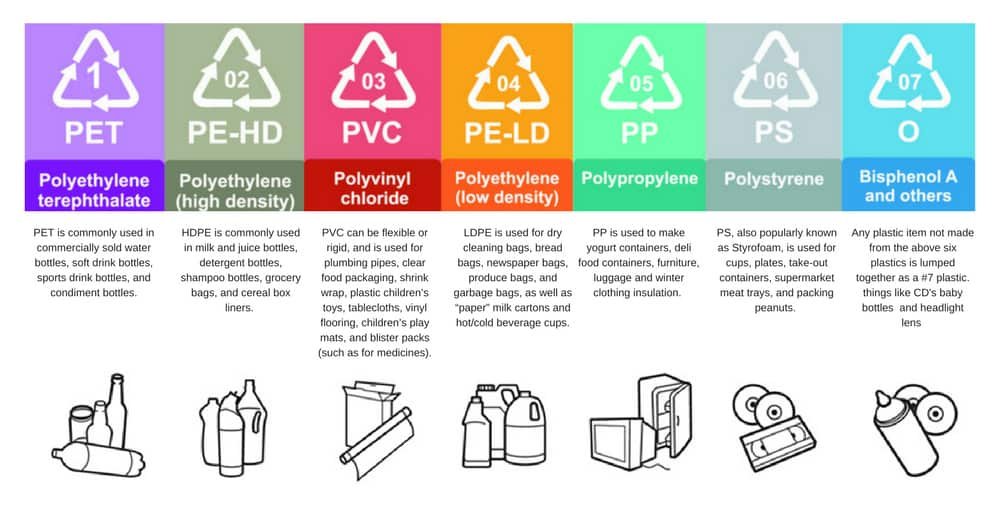
How do product designers select the right plastic for the job?
Click on Problems with Plastics below
What’s next?
I’m lost😱
I need some background information:
I need practice 🤔
I want to test my knowledge
Let’s move on👍
Good grief, how else do Fossil Fuels negatively impact the environment?