
- Light energy from the sun travels to Earth each day.
- This super useful energy allows plants to make food, and we can use the energy to make electricity.
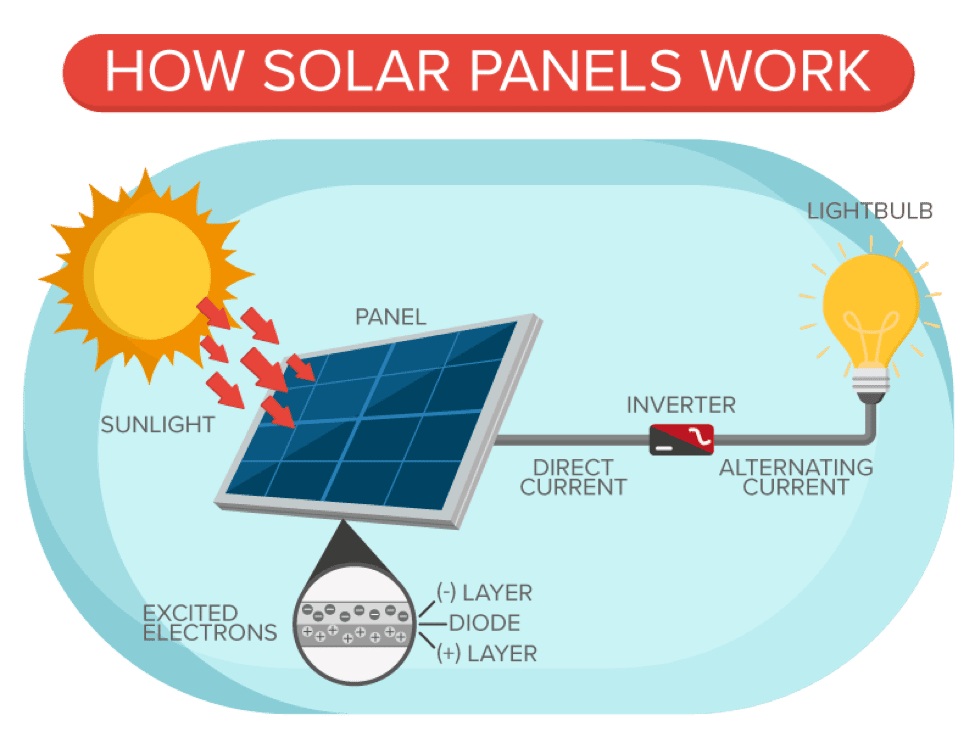
- When the light energy hits thin pieces of Silicon, electrons are knocked lose.
- We force these excited electrons through flow through wires where they power our electronics.
SOLAR ENERGY TRANSFER CHAIN: LE-> EE
- Once the solar panels are setup in sunlight excited electrons start flowing.
- There is no CO2 produced since nothing is being burned.
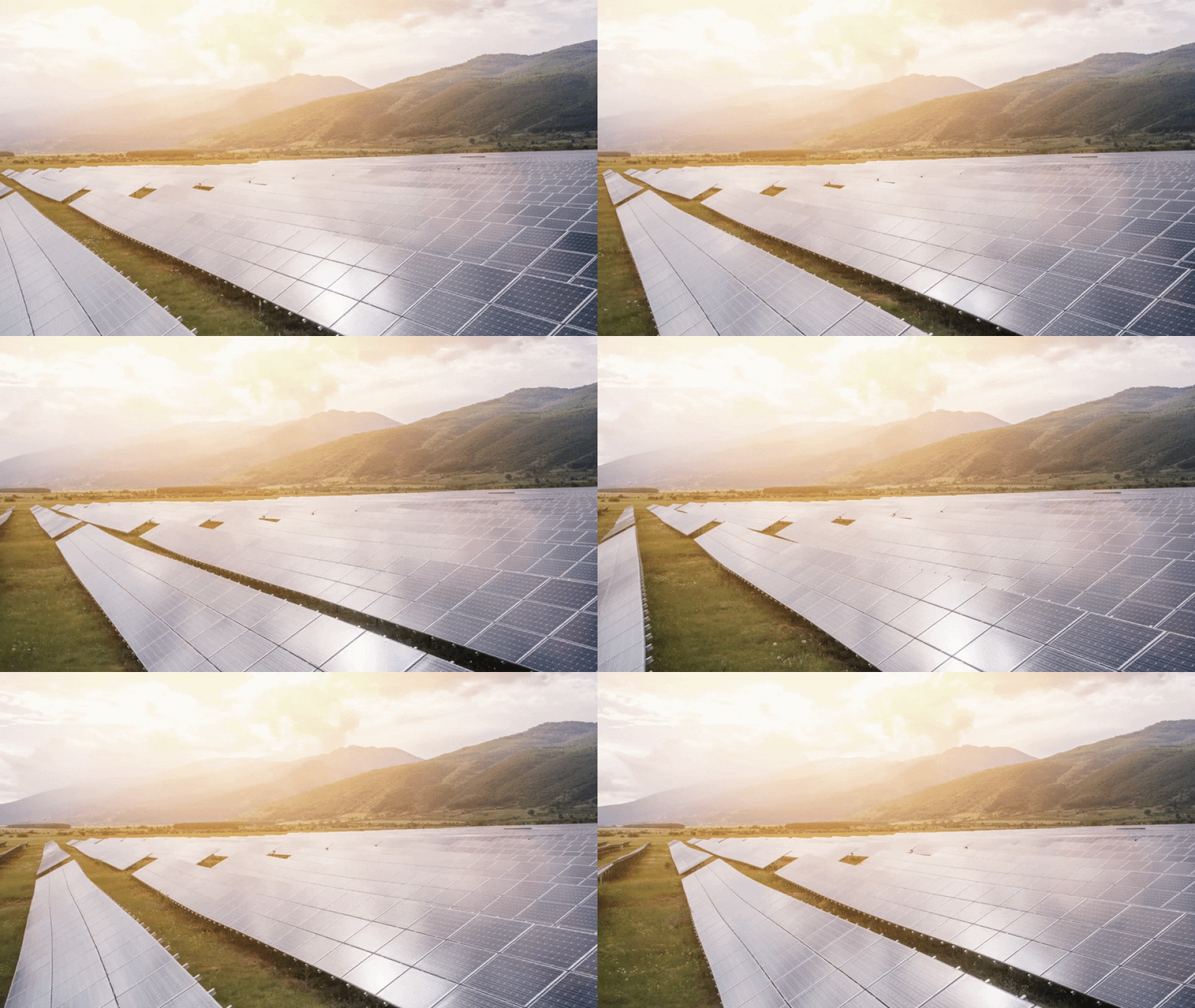
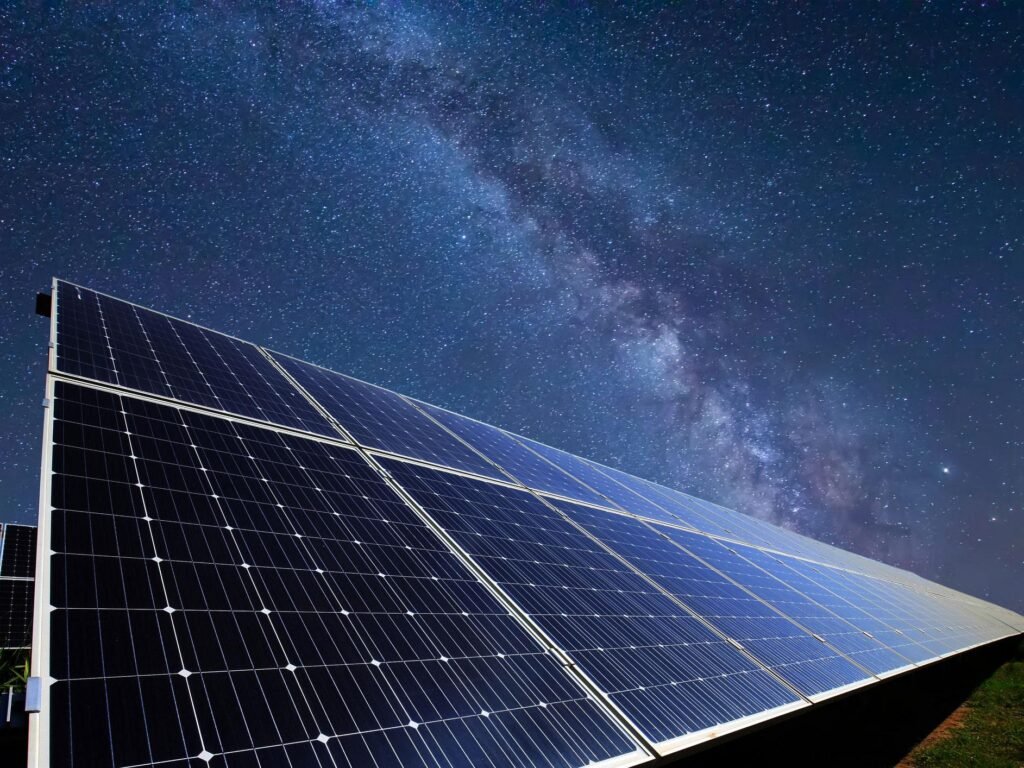
- Unfortunately, solar panels don’t produce electricity at night or on cloudy days.
- Large scale solar farms are located in places that have above average clear days.
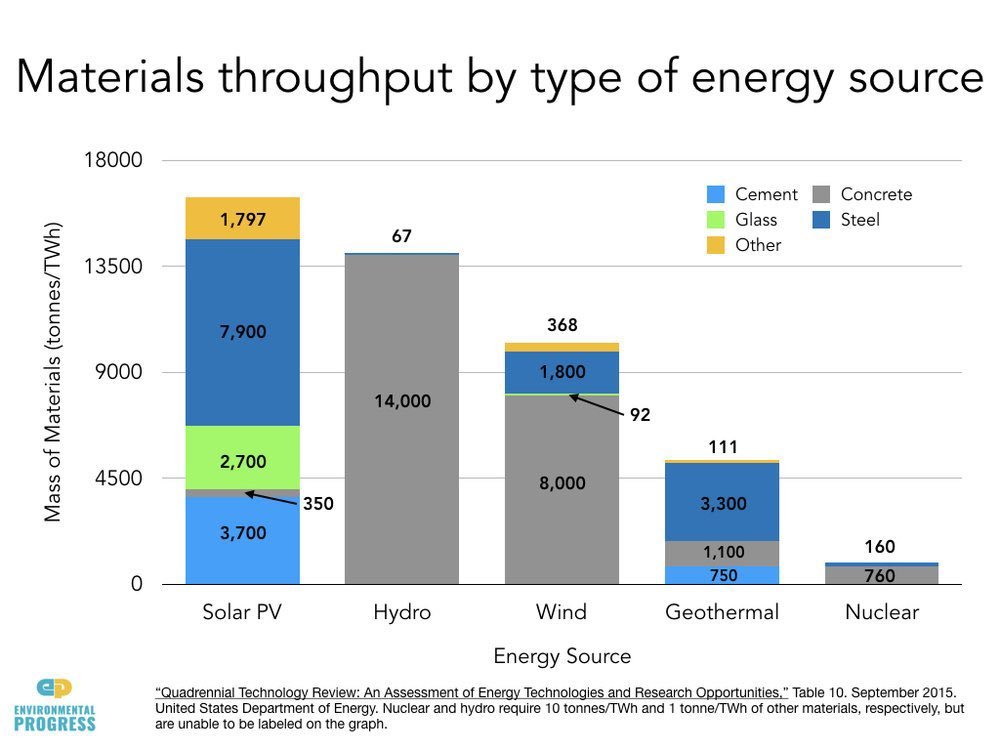
- Each of the different materials required for solar panels must be mined, assembled in factories, transported and installed by vehicles that burn fossil fuels and emit lots of CO2.
- So while they are clean at point of use, they do have a significant ecological impact.
- While rooftop solar panels don’t impact the wilderness, they don’t generate enough electricity for entire cities and factories.
- Large solar farms require a huge amount of space that can impede on habitat for wildlife.
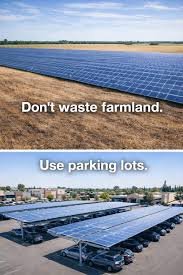
- Birds seem particularly impacted by solar farms.
- Migrating birds can mistake them for lakes, causing disruption to their flight patterns.
- And in very hot environments, reflections can set them on fire!
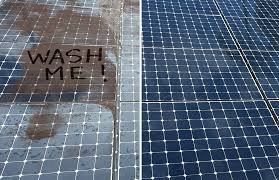
- In order to maximize their electricity production, solar panels must be squeaky clean.
- If dirt, snow or bird poop is not cleaned off, less than 100% of energy output is produced.
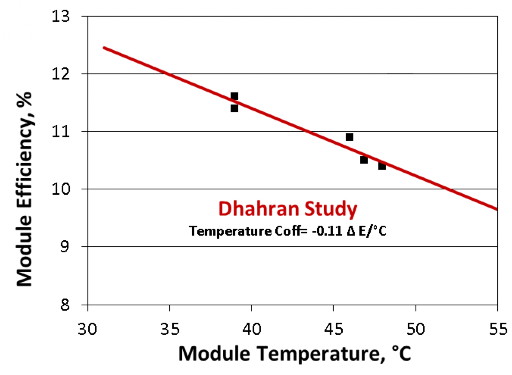
- Has your phone ever overheated from laying in the sun?
- Well functionally solar panels aren’t that much different than your phone and they lose effectiveness at temperatures over 100oF.
- So unfortunately desert places with constant sun still aren’t the optimal location for solar farms.
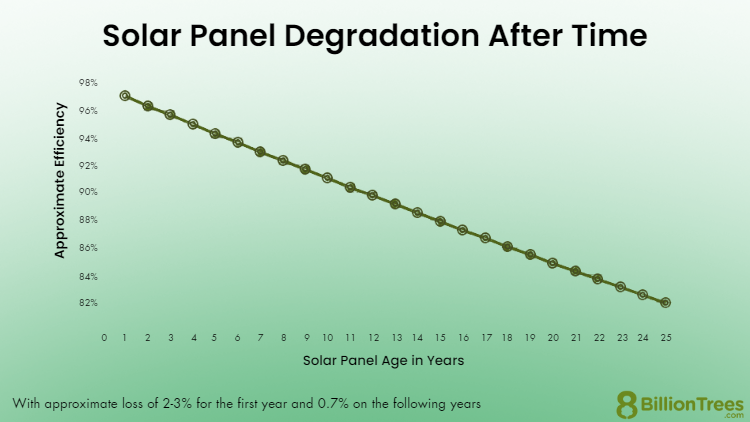
- Because they are electronics, they slowly wear out and stop working optimally.
- After 20 years, they just don’t produce the same amount of power as they used to.
- Because solar panels are made of so many different materials, the are near impossible to recycle.
- When solar panels age out or are damaged, they find themselves in the landfill.
- As early 2000s panels age and need replaced we are on the verge of a mountain of solar waste.
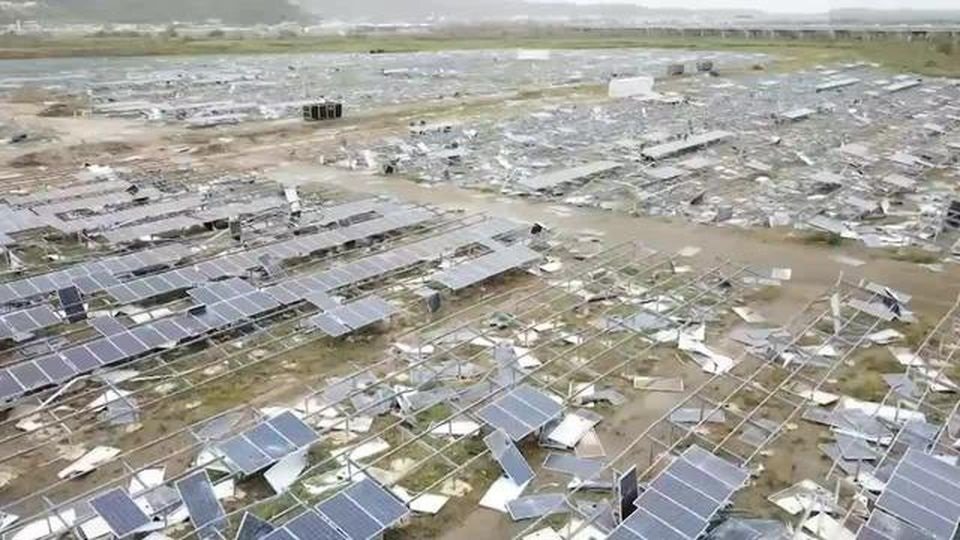
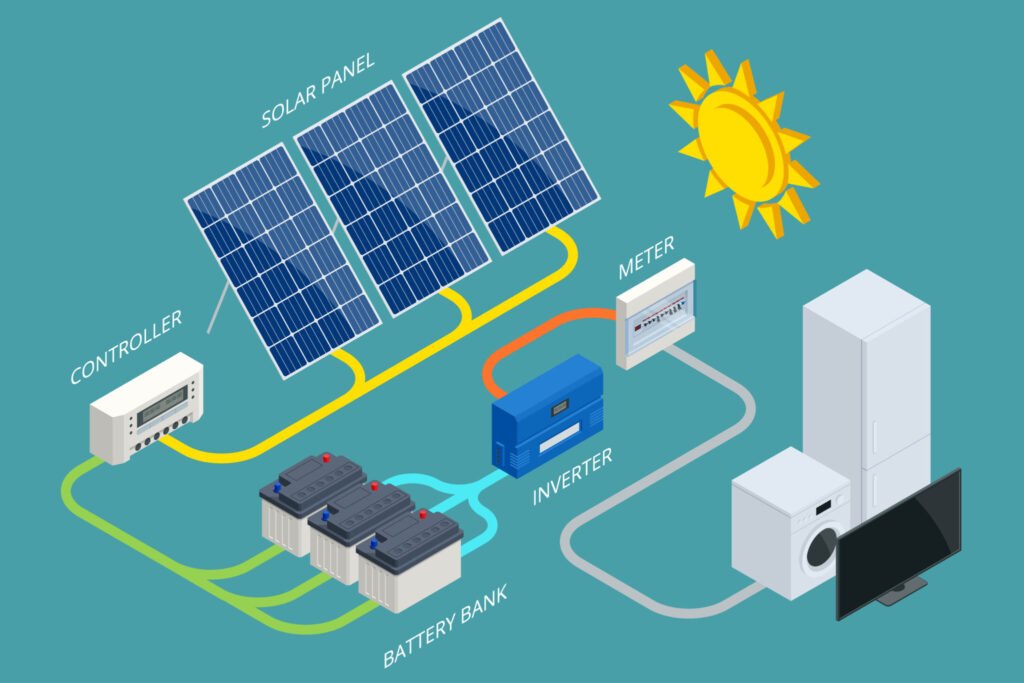
- Solar panels generate electricity when working with no way to store any energy for later use.
- They are often paired with batteries, but those have significant issues of their own
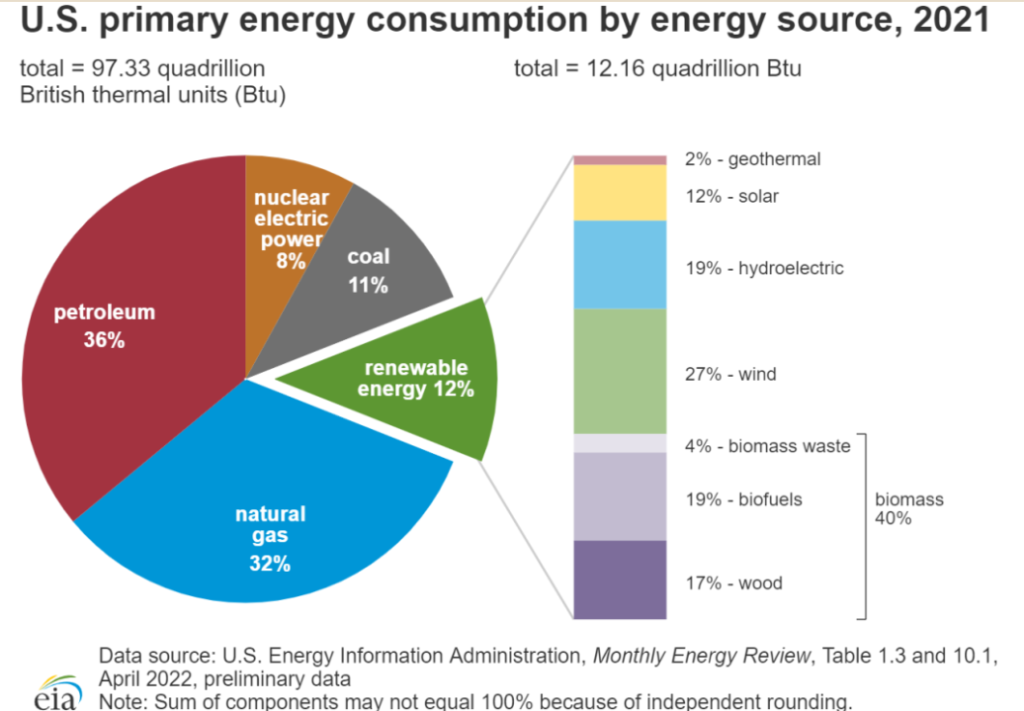
SOLAR accounts for 2% of all energy consumed in US
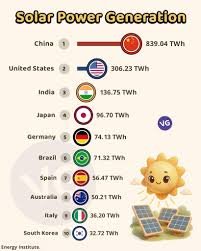
China produces the most solar energy in the world.
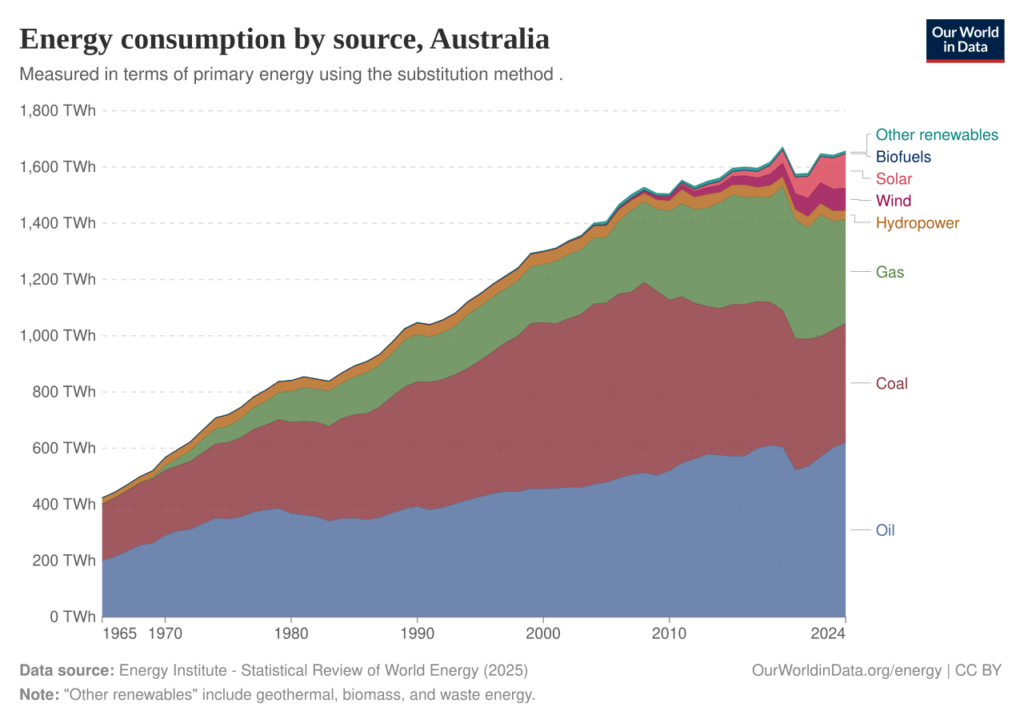
- Australia is the only country that is also a continent with a population 27 million.
- While it produces no where near the total solar of China, Australia’s much smaller population requires less energy.
- Solar accounts for 33% of electricity and 3% of total energy used in Australia.
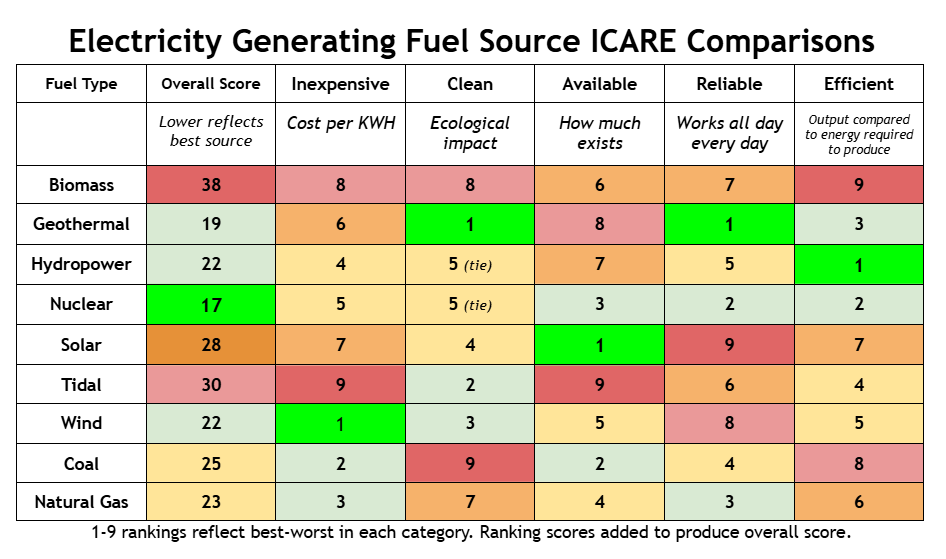
- Solar’s best score is the availability factor – if the sun stops shining we all die anyway.
- Since the sun doesn’t shine 100% of the time and solar panels are fairly delicate electronics, they just don’t score as well as other energy sources.
- When more durable panels that can be made with a smaller ecological impact are invented, it might jump straight to the top!
Could solar energy work in your city or country?
What’s next?
I’m lost😱
…
I need practice 🤔
I think I get it, but would like some more practice!
Let’s move on👍
I’m good on this energy source, let’s learn about the others: